QuickBooks Rental Management: Complete Guide to Benefits, Examples, and Use Cases
Managing rental properties requires balancing financial accuracy with operational efficiency. QuickBooks rental management has emerged as one of the most effective solutions for landlords and property managers who need a reliable system to track rent, expenses, and financial reporting. Unlike traditional bookkeeping, QuickBooks provides automation, integration, and scalability that make it an essential tool in today’s real estate market.
Whether you’re a single-property landlord or managing multiple rental units, QuickBooks offers tools to simplify accounting while ensuring compliance and transparency. This makes it not just a financial tool but a critical part of modern property management.
Understanding QuickBooks Rental Management
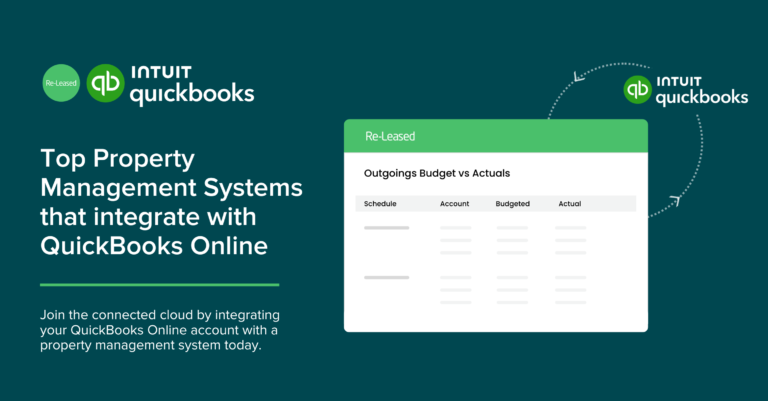
QuickBooks rental management refers to the use of QuickBooks accounting software, often enhanced with property management integrations, to manage rental finances. It is not limited to basic bookkeeping. Instead, it covers tasks like tracking rental income, reconciling accounts, automating recurring invoices, and generating tax-ready financial reports.
For landlords, this means less time spent manually entering data and more focus on maintaining tenant relationships. For property managers, it ensures operational activities like maintenance requests and vendor payments align seamlessly with accounting records.
The flexibility of QuickBooks allows it to be used by both independent landlords and professional property management firms. By customizing its chart of accounts, users can tailor QuickBooks to fit the unique needs of rental property management.
Why QuickBooks is Valuable for Rental Property Owners
Rental property owners often struggle with separating personal and business finances. QuickBooks rental management solves this by offering a dedicated space for property-related transactions. It helps avoid errors that come from manual tracking and ensures accurate financial reporting for tax purposes.
Another reason QuickBooks is valuable is scalability. As landlords expand their portfolios, QuickBooks adapts by accommodating more units, more transactions, and more complex financial structures. This makes it a long-term solution that grows with real estate investments.
Benefits of Using Technology in Rental Management
Technology has transformed rental management by bringing automation and real-time data visibility. With QuickBooks at the core, landlords and property managers can streamline repetitive tasks like generating rent invoices, tracking overdue payments, and logging expenses.
Instead of waiting until year-end to understand profitability, real-time dashboards show financial health instantly. Cloud-based features also allow access from anywhere, making it easier for landlords who manage properties remotely.
Security is another advantage. QuickBooks ensures that sensitive financial data is encrypted and protected, giving landlords peace of mind while handling multiple transactions across different accounts.
Real-World Examples of QuickBooks Rental Management in Action
Buildium and QuickBooks Integration
Buildium is a popular property management software that integrates seamlessly with QuickBooks. This combination allows property managers to handle tenant communications, leasing, and maintenance while QuickBooks manages accounting tasks like expense categorization and bank reconciliation.
The relevance of Buildium with QuickBooks lies in its ability to connect the operational side of property management with accurate financial reporting. Property managers save time by eliminating the need to duplicate entries across two platforms.
AppFolio with QuickBooks for Rental Accounting
AppFolio is another robust property management system that can work alongside QuickBooks for enhanced financial tracking. While AppFolio manages day-to-day rental operations, QuickBooks ensures accurate bookkeeping and advanced financial reporting.
This integration is especially useful for larger property management companies that require detailed reports for stakeholders, investors, and compliance purposes. It ensures that operational data directly connects to financial statements without error.
Propertyware with QuickBooks for Single-Family Rentals
Propertyware focuses on single-family rental management, and when paired with QuickBooks, it creates a powerful solution for landlords managing scattered properties. Propertyware tracks maintenance and leasing, while QuickBooks keeps all financial activities in order.
The combination helps landlords simplify rent collection and expense tracking while generating consolidated financial reports. This reduces administrative burden and ensures financial clarity even across multiple properties.
QuickBooks Standalone for Independent Landlords
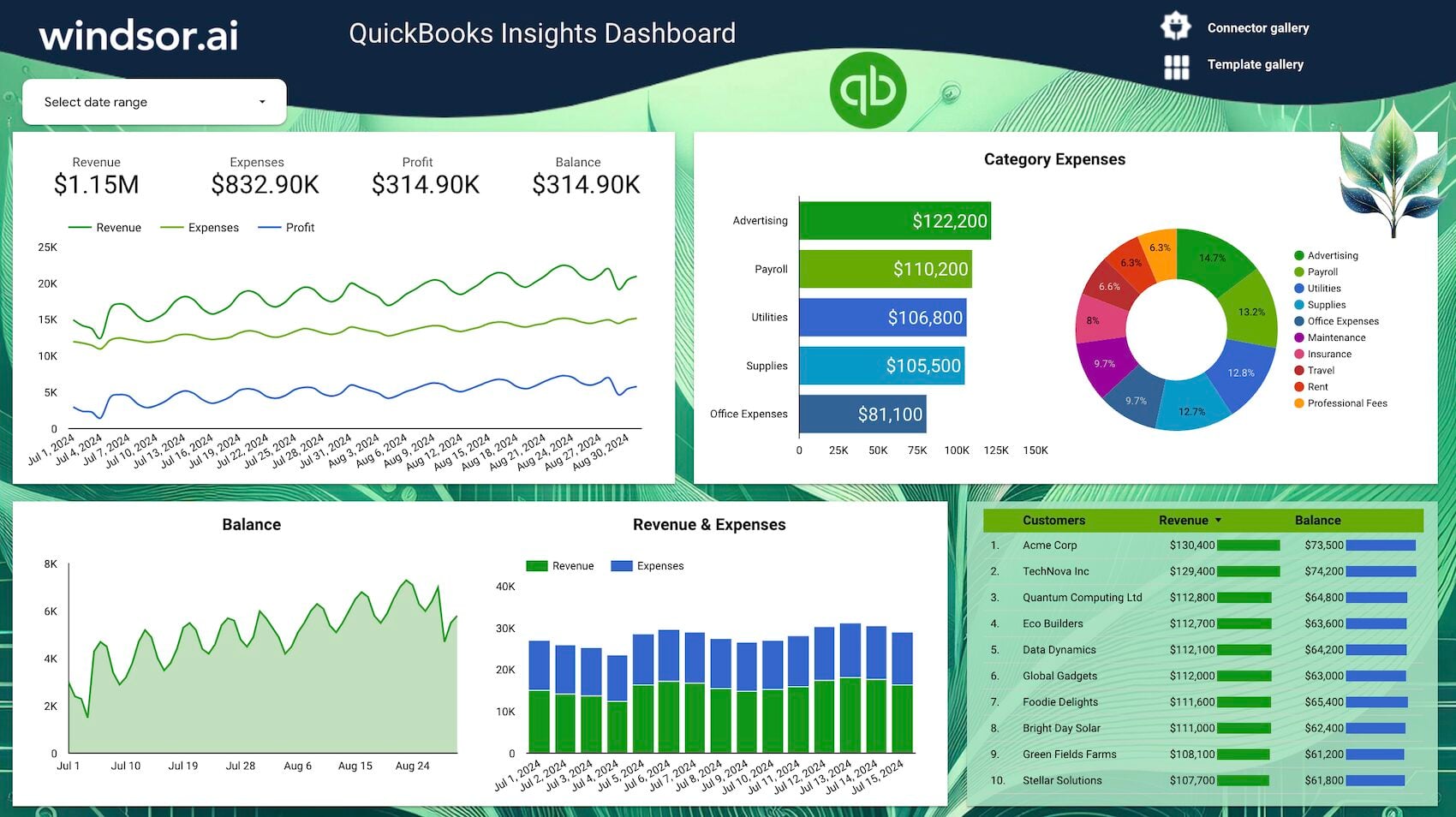
Not all landlords need full-scale property management software. Many small-scale landlords successfully use QuickBooks alone to manage rent, track expenses, and create tax-ready reports.
QuickBooks allows customization of accounts to reflect rental income, mortgage payments, maintenance expenses, and security deposits. This makes it an affordable yet powerful choice for landlords managing only a few units.
Key Benefits of QuickBooks Rental Management
One of the most significant benefits is automation. QuickBooks can generate recurring rent invoices, categorize expenses, and reconcile bank accounts automatically, reducing manual work.
Another benefit is accuracy. Financial errors in property management can be costly, leading to tax penalties or lost revenue. QuickBooks ensures all records are precise and traceable, which is critical for audits and compliance.
A third advantage is time savings. By centralizing financial management, QuickBooks allows property owners to focus on growing their portfolio rather than getting stuck in administrative details.
Finally, QuickBooks offers insights. With built-in reporting and analytics, landlords can make informed decisions about rent adjustments, expense management, and long-term investment strategies.
Real-Life Use Cases for QuickBooks Rental Management
Landlords with Multiple Units
QuickBooks is ideal for landlords with several rental properties. It consolidates all financial activities into one platform, making it easy to track income and expenses for each property while still viewing overall profitability.
Property Management Startups
New property management firms benefit from QuickBooks because it offers affordability and scalability. With integrations, startups can manage tenant communication, maintenance, and finances without heavy upfront costs.
Remote Landlords
QuickBooks is cloud-based, allowing landlords who live in different cities or states from their properties to manage finances online. This eliminates the need for physical presence and provides real-time access to financial data.
Investors with Complex Portfolios
For investors managing both residential and commercial properties, QuickBooks offers flexibility. It allows the customization of categories and reporting, ensuring each type of property is accurately represented in financial statements.
Frequently Asked Questions
1. Is QuickBooks good for rental property management?
Yes, QuickBooks is highly effective for rental property management, especially when combined with property management software. It helps track rent, expenses, and financial reports while offering automation and accuracy.
2. Can QuickBooks handle multiple rental properties?
Yes. QuickBooks can manage multiple properties by customizing accounts and categories for each unit. This allows landlords to see both individual property performance and overall portfolio profitability.
3. Do landlords need property management software with QuickBooks?
Not always. Small landlords can use QuickBooks alone, while larger portfolios often benefit from integrating QuickBooks with dedicated property management software like Buildium, AppFolio, or Propertyware.