Intuit Property Management Software: A Complete Guide for Real Estate Professionals
The property management industry is evolving, and so are the tools used to manage financial and operational tasks. Among the most recognized names in financial technology is Intuit, best known for QuickBooks and other accounting solutions. In recent years, many landlords, property managers, and investors have turned to Intuit property management software to streamline their operations, track rental income, and ensure accurate financial reporting.
Managing properties requires a combination of bookkeeping, tenant communication, expense tracking, and regulatory compliance. Without the right tools, these responsibilities can quickly overwhelm landlords or property firms. Intuit’s software solutions offer a structured approach that not only improves efficiency but also provides clarity in financial decision-making.
Understanding Intuit’s Role in Property Management
Intuit’s software, particularly QuickBooks, has become a trusted solution for small businesses, including those in the real estate sector. Property management relies heavily on financial accuracy, and QuickBooks adapts well to the needs of landlords and real estate investors.
Through custom charts of accounts, integration with banking systems, and reporting features, Intuit’s property management software allows professionals to separate rental income from other business earnings, monitor expenses specific to property upkeep, and prepare for tax filings with ease. For small landlords managing just a few units or property firms overseeing dozens of buildings, these features are essential to maintaining profitability and compliance.
Why Intuit Property Management Software Matters
The real estate industry is fast-paced, where missed payments, delayed reconciliations, or unorganized financial data can lead to costly setbacks. By leveraging Intuit software, property professionals gain access to structured systems that reduce errors and save time.
What makes Intuit particularly powerful is its adaptability. Unlike niche property management systems that may only focus on tenant communication or maintenance tracking, Intuit blends accounting strength with customizable features. This flexibility allows property managers to tailor the software to their specific needs, ensuring smooth integration with existing workflows.
Real-World Examples of Intuit in Property Management
QuickBooks Online for Property Managers
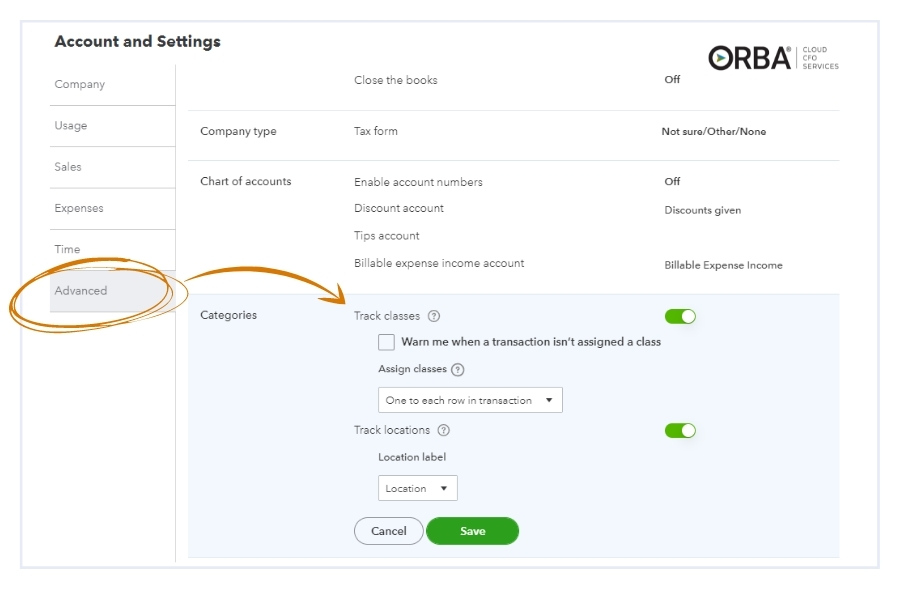
QuickBooks Online is one of the most widely used versions for property managers. It enables landlords to connect bank accounts, track rent deposits, categorize property expenses, and reconcile accounts monthly. Its cloud-based nature allows access anytime, making it suitable for property managers who are constantly on the go.
Many property managers customize QuickBooks Online to include accounts for rental income, security deposits, and maintenance expenses. With built-in reporting, managers can easily generate profit-and-loss statements specific to each property, providing a clear view of financial performance.
QuickBooks Desktop for Real Estate Firms

QuickBooks Desktop remains a preferred choice for some larger property firms. Its advanced features and customizable chart of accounts make it ideal for handling multiple entities or properties under one system. Many accountants working with property managers use QuickBooks Desktop to prepare complex financial reports for tax season.
This version also allows integration with third-party property management applications, expanding its functionality beyond bookkeeping. With the help of an experienced bookkeeper, QuickBooks Desktop becomes a powerful solution for firms handling numerous rental units.
QuickBooks with Property Management Add-Ons
Another real-world use case involves QuickBooks paired with specialized add-ons. These add-ons integrate directly into the software, offering tools for tenant management, rent collection, and lease tracking. By combining QuickBooks with these property-focused modules, managers enjoy a more comprehensive solution without leaving the Intuit ecosystem.
For example, add-ons can automate invoice generation for tenants, track late payments, and send reminders, while QuickBooks handles the financial recording and reporting. This hybrid approach allows property managers to maximize both financial and operational efficiency.
Benefits of Using Intuit Property Management Software
One of the biggest advantages of Intuit’s software is its ability to consolidate financial and operational data in one place. This not only reduces errors but also saves countless hours spent on manual record-keeping.
Automation is another significant benefit. Property managers no longer need to manually enter recurring transactions such as rent payments or utility expenses. Instead, the software records these automatically, ensuring accuracy and consistency.
Cloud-based access is particularly important in today’s market. Managers can access financial data from a smartphone, tablet, or computer, allowing them to make informed decisions anytime. For real estate professionals handling multiple properties across locations, this flexibility is invaluable.
Finally, Intuit software ensures compliance with tax regulations. By keeping accurate records and generating detailed reports, property managers reduce the risk of IRS penalties or missed deductions. This not only safeguards financial health but also maximizes profitability.
Practical Use Cases
Small Landlords
A landlord managing three rental properties can use QuickBooks Online to track rent payments, categorize repairs, and monitor profit margins. By setting up automated reminders, the landlord ensures tenants stay on schedule with payments while gaining visibility into overall cash flow.
Mid-Sized Property Firms
A property management firm overseeing 50 rental units can benefit from QuickBooks Desktop integrated with add-ons. This setup enables the firm to manage complex reporting needs while also automating tenant invoices and late-payment tracking.
Real Estate Investors
An investor with both residential and commercial properties needs clear insight into which assets generate the best returns. By using QuickBooks with tailored accounts, the investor can track ROI per property and make data-driven decisions on whether to hold, sell, or reinvest.
Why Technology and Local Expertise Matter Together
While Intuit software provides the technological backbone, having a skilled bookkeeper or accountant who understands property management ensures the system is used to its fullest potential. Local expertise helps navigate state-specific tax regulations, while the software ensures accuracy and efficiency.
This combination empowers real estate professionals to focus on growth while knowing their financials are under control. In today’s real estate market, this balance of human expertise and technology creates a strong competitive advantage.
Frequently Asked Questions
1. Is QuickBooks considered property management software?
QuickBooks is primarily accounting software, but with customization and add-ons, it becomes an effective property management solution. It can track rental income, expenses, and generate financial reports, making it useful for landlords and property managers.
2. Can Intuit property management software handle multiple properties?
Yes, both QuickBooks Online and QuickBooks Desktop can manage multiple properties. By setting up unique accounts or classes, managers can separate financial data for each property while maintaining consolidated reports.
3. What makes Intuit better than dedicated property management systems?
Intuit offers unmatched accounting strength with customizable features. While dedicated property management systems may focus on tenant communication, Intuit ensures financial accuracy, compliance, and flexibility to integrate with other tools.