Condominium Management: Comprehensive Guide to Effective Property Administration
Managing a condominium is a multifaceted responsibility that requires balancing financial oversight, property maintenance, community governance, and resident satisfaction. Unlike single-family homes or standalone rental properties, condominiums bring together multiple owners within a shared environment, which adds complexity to decision-making, budgeting, and rule enforcement.
Condominium management provides the framework for ensuring smooth operations, compliance with legal obligations, and fostering a thriving community atmosphere. By combining traditional management practices with technology, condo boards and property managers can create a more efficient, transparent, and harmonious living environment for residents.
What is Condominium Management?
Condominium management refers to the administration and oversight of a condominium property and its community. It includes handling financial operations, enforcing bylaws, coordinating maintenance, and managing common areas. A condo management team or board of directors typically governs the property, ensuring that both short-term needs and long-term sustainability are met.
Unlike apartment management, which often deals with rental tenants, condominium management works with individual unit owners who collectively share responsibility for the building and its amenities. This unique ownership structure makes communication, governance, and financial planning more intricate.
Key Responsibilities in Condominium Management
Financial Management
One of the most critical aspects of condominium management is financial oversight. This includes collecting association dues, managing reserve funds, preparing budgets, and ensuring that expenses for maintenance and utilities are handled appropriately.
Financial transparency builds trust among residents, while strong budgeting helps the community avoid special assessments or unexpected costs. A well-run condominium ensures that reserve funds are adequately funded to cover large projects such as roof replacements or major repairs.
Maintenance and Repairs
Condominium management also oversees the upkeep of common areas such as lobbies, elevators, swimming pools, landscaping, and parking structures. Regular maintenance prevents costly repairs and ensures a safe environment for all residents.
From hiring contractors to scheduling routine inspections, proactive management minimizes disruptions and preserves property value. A well-maintained condominium not only satisfies current residents but also attracts prospective buyers.
Community Governance
Condo boards and managers enforce rules, regulations, and bylaws that maintain order within the community. This may include guidelines for noise levels, pet ownership, use of shared facilities, or architectural changes to units.
Clear governance helps avoid disputes between residents and ensures that community living remains peaceful. It also ensures compliance with local housing laws and safety standards.
The Role of Technology in Condominium Management
Technology has become an indispensable tool for modern condominium management. Digital platforms streamline communication, automate financial processes, and improve transparency.
For instance, cloud-based management systems allow residents to pay fees online, submit maintenance requests, and receive community updates instantly. Property managers benefit from automated reminders, digital document storage, and real-time financial reporting.
Mobile applications also bridge the gap between condo boards and residents, ensuring that updates on emergencies, events, or repairs are delivered promptly. By reducing paperwork and manual processes, technology saves time and minimizes errors, leading to better community satisfaction.
Real-World Examples of Condominium Management Solutions
Buildium
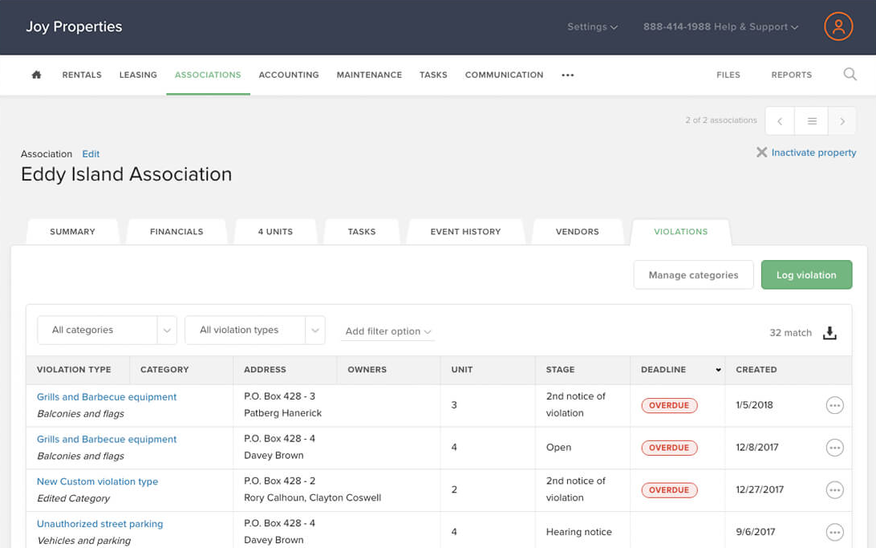
Buildium is a leading condominium management platform designed to simplify operations for property managers and community associations. It offers tools for online payments, automated accounting, and resident communication. With Buildium, managers can track maintenance requests, generate financial reports, and improve engagement through resident portals.
The platform’s efficiency helps communities maintain financial stability and improve transparency, making it easier for boards to make informed decisions. Buildium demonstrates how software can transform condo management into a more streamlined and professional process.
AppFolio property management

AppFolio Property Manager is another solution that caters to condominium associations. It integrates accounting, communication, and maintenance workflows into one platform. The mobile-first design ensures that both managers and residents can access important information on the go.
From budgeting tools to real-time performance dashboards, AppFolio enhances visibility into community finances and operations. This allows board members and managers to make proactive decisions, reducing conflicts and improving long-term planning.
Yardi Breeze interface
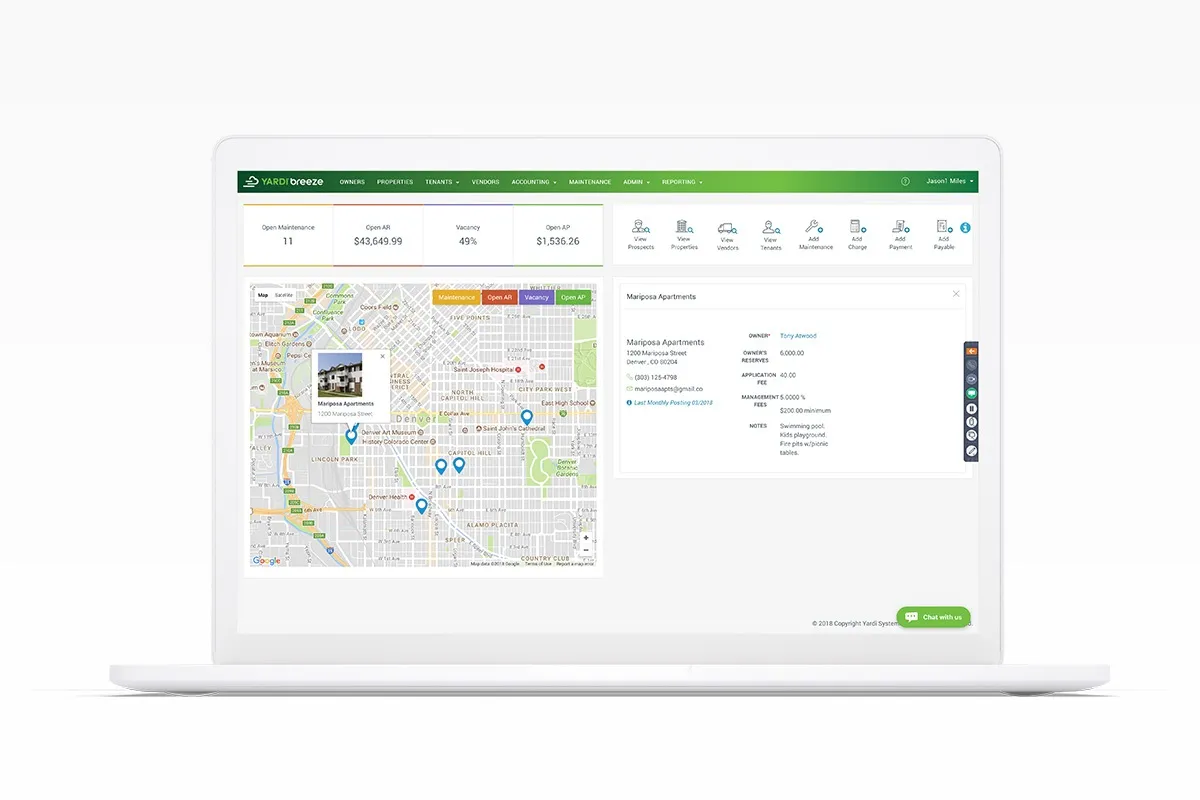
Yardi Breeze is a cloud-based software built for community associations, including condominiums. It simplifies operations by offering automated billing, digital maintenance management, and resident self-service options.
Its user-friendly design makes it accessible for smaller condo associations that may not have full-time professional managers. By reducing administrative workload, Yardi Breeze empowers communities to focus on strategic improvements rather than day-to-day manual tasks.
Condo Control Central platform
Condo Control Central is a specialized platform for condominium management that focuses on communication and transparency. It provides digital tools for meeting management, resident announcements, amenity booking, and violation tracking.
With features like electronic voting and document sharing, Condo Control Central ensures that community governance is efficient and democratic. This fosters stronger engagement among residents and reduces misunderstandings that often arise in condo communities.
Benefits of Effective Condominium Management
Effective condominium management delivers several advantages to both residents and property values.
- Financial Stability: Proper budgeting and accounting reduce the risk of unexpected costs or fee increases.
- Community Harmony: Clear governance and communication minimize disputes and create a sense of belonging.
- Property Value Preservation: Routine maintenance and transparent management protect the long-term value of the property.
- Efficiency through Technology: Digital platforms streamline processes, saving time and reducing human error.
- Resident Satisfaction: Improved responsiveness and communication enhance the overall living experience.
When communities embrace professional management practices, they not only secure financial health but also build a more enjoyable living environment.
Use Cases: Why Condominium Management Matters in Real Life
Avoiding Financial Shortfalls
Poorly managed condominiums often face sudden financial crises when large repairs arise. With effective management, reserve funds are built over time, ensuring that roofs, elevators, or other major systems can be replaced without burdening residents with special assessments.
Enhancing Communication
Residents may feel disconnected if updates are not shared promptly. With digital communication tools, condominium management ensures that residents receive instant notifications about emergencies, events, or policy changes. This builds trust and cooperation within the community.
Reducing Legal Risks
Condominium boards must comply with local housing laws, safety regulations, and insurance requirements. Professional management ensures that compliance is monitored, reducing the likelihood of lawsuits or penalties.
Increasing Market Appeal
Prospective buyers often evaluate how well a condominium is managed before purchasing. A professionally managed property with transparent financials and well-kept amenities is more attractive, leading to faster sales and higher property values.
Frequently Asked Questions
1. What is the difference between condominium management and apartment management?
Condominium management focuses on properties where individual units are owned by residents, while common areas are collectively managed. Apartment management usually deals with rental units under one ownership entity. The key difference lies in governance and ownership structure.
2. Why is financial planning important in condominium management?
Financial planning ensures that the community has adequate funds for routine expenses and long-term repairs. Without proper budgeting, condominiums risk facing sudden assessments that can strain residents financially.
3. How does technology improve condominium management?
Technology streamlines communication, automates financial processes, and provides transparency. Residents can pay fees online, request maintenance, and access documents instantly, while managers save time and reduce errors.