Becoming a Vrbo Host: Complete Guide to Success in Vacation Rentals
Becoming a Vrbo host is one of the most practical ways to generate income from a vacation property while tapping into the booming short-term rental market. With millions of travelers using platforms like Vrbo each year, property owners can access a large pool of potential guests. However, successful hosting goes beyond simply listing a property. It requires understanding how the platform works, leveraging technology, creating a guest-friendly experience, and maximizing the property’s visibility.
This guide explores the essentials of becoming a Vrbo host, including benefits, real-world use cases, and strategies to succeed in today’s competitive vacation rental market.
What Does Becoming a Vrbo Host Mean?
Becoming a Vrbo host means turning your property, whether a vacation home, condo, cabin, or villa, into a short-term rental available to travelers through Vrbo’s online marketplace. Vrbo (Vacation Rentals by Owner) connects homeowners with families, groups, and individuals looking for accommodations outside of hotels.
Hosts are responsible for creating property listings, managing reservations, ensuring guest satisfaction, and maintaining the property’s quality. Unlike traditional real estate renting, which often involves long-term leases, Vrbo hosting emphasizes short stays that focus on hospitality, flexibility, and convenience.
The Importance of Vrbo Hosting in Today’s Market
The short-term rental industry has experienced significant growth, driven by travelers’ demand for unique stays, privacy, and affordability. Hotels no longer dominate travel accommodations; platforms like Vrbo empower property owners to compete effectively.
For homeowners, this presents an opportunity not only to earn income but also to diversify investments. Hosting on Vrbo can help offset mortgage costs, maintain property upkeep, and even create a steady stream of revenue in high-demand vacation markets.
How to Get Started as a Vrbo Host
Setting Up Your Property Listing
The first step in becoming a Vrbo host is creating a compelling property listing. This involves uploading high-quality photos, writing an engaging description, and setting accurate pricing. A successful listing emphasizes the unique aspects of your property, whether it’s a beachfront location, mountain views, or family-friendly amenities.
Vrbo also allows hosts to highlight special features like pet-friendly accommodations, outdoor spaces, or nearby attractions, making it easier for guests to match their travel needs with the right property.
Managing Guest Expectations
Beyond creating a listing, hosts must establish clear house rules and policies. This transparency builds trust with potential guests and helps prevent misunderstandings. Strong communication, flexible check-in processes, and quick responses to inquiries play a major role in creating a positive guest experience.
Real-World Example 1: A Beachfront Villa in Florida

One example of successful hosting is a family-owned beachfront villa in Florida. By listing on Vrbo, the owners tapped into the region’s consistent tourist demand. The listing emphasized features like direct beach access, private pools, and fully furnished kitchens.
The villa quickly attracted families seeking large accommodations, resulting in a steady booking schedule during peak summer months. With detailed descriptions and professional photos, the hosts achieved visibility and high guest satisfaction scores, reinforcing Vrbo’s ability to connect properties with the right travelers.
Real-World Example 2: A Mountain Cabin in Colorado
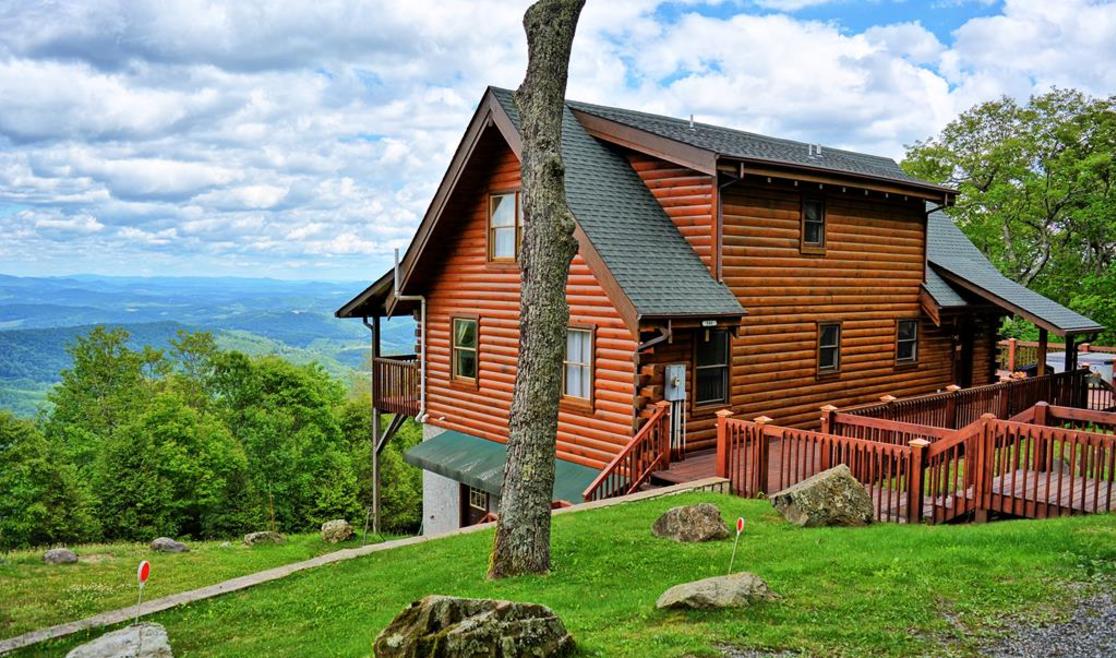
Another strong case is a mountain cabin in Colorado. The hosts positioned the property as a cozy retreat for winter sports enthusiasts. Vrbo’s platform allowed them to target travelers seeking skiing and snowboarding destinations, while also marketing the cabin’s year-round appeal for hiking and relaxation.
Through the use of Vrbo’s booking tools and calendar management, the hosts balanced seasonal demand effectively. They also used guest reviews as a credibility booster, which contributed to repeat bookings and word-of-mouth marketing.
Real-World Example 3: A City Apartment in New York

A modern city apartment in New York provides another perspective. Unlike vacation homes in resort areas, this host targeted business travelers and short-term urban visitors. By highlighting proximity to public transportation, Wi-Fi availability, and workspace features, the host differentiated their property from traditional hotels.
The result was a steady flow of short stays from professionals attending conferences or tourists exploring the city. Vrbo’s platform enabled the host to manage last-minute bookings and optimize pricing based on demand, ensuring profitability even in a competitive urban market.
Technology Benefits for Vrbo Hosts
Technology plays a central role in making Vrbo hosting efficient. The platform’s built-in features include automated booking systems, calendar synchronization, and secure payment processing. These tools reduce manual tasks and allow hosts to focus on guest experience.
Analytics also provide valuable insights into booking trends, pricing strategies, and market demand. By using these tools, hosts can adjust their approach in real time, ensuring their property remains competitive. In addition, mobile accessibility allows hosts to manage inquiries, bookings, and reviews from anywhere, providing flexibility and convenience.
Benefits of Becoming a Vrbo Host
Income Potential
One of the most significant advantages is the ability to generate income from an existing asset. Properties that may otherwise sit vacant during certain times of the year can instead become revenue-generating opportunities.
Flexibility for Hosts
Unlike long-term leases, Vrbo hosting offers flexibility. Owners can block dates for personal use while still making the property available for bookings when convenient. This balance between income and personal enjoyment appeals to many homeowners.
Building Guest Relationships
Hosting is not only transactional but also relational. Many hosts develop lasting relationships with repeat guests, creating a sense of community and trust that strengthens the property’s reputation.
Use Cases of Vrbo Hosting in Real Life
Offsetting Mortgage Costs
For homeowners with second properties or vacation homes, Vrbo hosting provides a way to offset mortgage payments. Renting out the property, even for a few weeks per year, can cover significant expenses.
Supporting Tourism Economies
Hosts in smaller towns and rural areas contribute to local tourism by providing accommodations that hotels may not offer. This supports local businesses, from restaurants to outdoor activity providers.
Managing Seasonal Properties
Many vacation homes are only used during specific seasons. Listing on Vrbo helps owners maximize their property’s potential year-round, attracting different types of guests depending on the season.
Common Challenges and How to Overcome Them

Becoming a Vrbo host also comes with challenges, such as managing guest expectations, property maintenance, and market competition. However, these can be overcome with preparation and strategic planning.
Regular property inspections, effective cleaning services, and responsive communication with guests are crucial. Hosts who actively manage their reputation through guest reviews and adapt to traveler needs often outperform competitors.
Frequently Asked Questions
1. Do I need a second home to become a Vrbo host?
No, many hosts rent out primary residences during times they are away. However, it’s essential to check local regulations to ensure compliance with short-term rental laws.
2. How much income can I expect as a Vrbo host?
Income depends on location, property type, seasonality, and pricing strategy. High-demand destinations often yield greater returns, especially if the property offers unique features.
3. What makes a successful Vrbo host?
Successful hosts combine attention to detail, excellent guest communication, and strategic property management. High-quality photos, accurate listings, and positive guest reviews all contribute to long-term hosting success.