Listing a Property on Vrbo: Complete Guide for Homeowners and Hosts
Listing a property on Vrbo has become one of the most popular ways for homeowners, investors, and vacation rental hosts to reach millions of travelers worldwide. Vrbo, which stands for Vacation Rentals by Owner, connects property owners directly with guests who are looking for short-term stays in vacation destinations, urban centers, or unique rural escapes.
Understanding how to properly list a property on Vrbo is critical to achieving higher booking rates, building trust with travelers, and generating consistent rental income. While the platform simplifies the process, success depends on knowing how to optimize your listing, use Vrbo’s tools effectively, and stand out in a competitive market.
Why Choose Vrbo for Property Listings
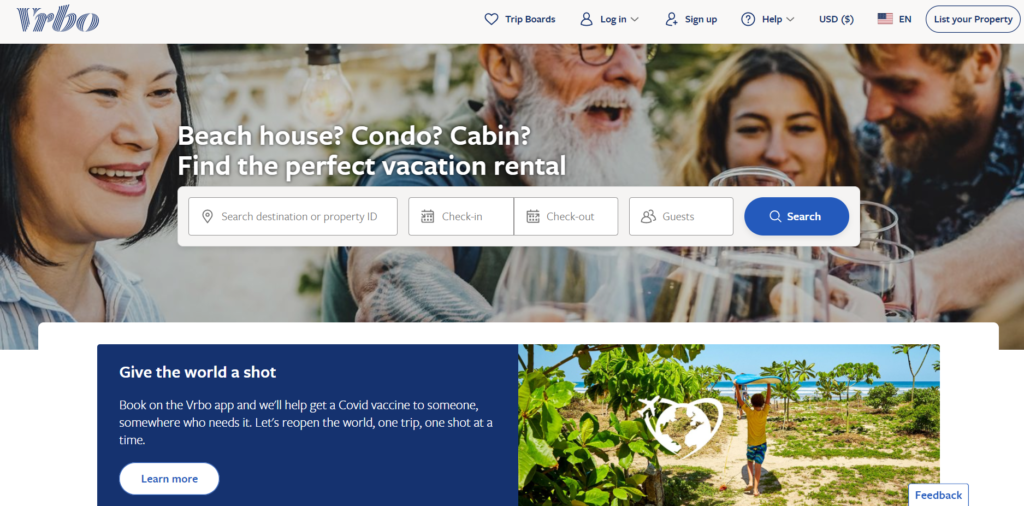
Vrbo has built its reputation on offering unique stays and a guest-focused booking experience. For property owners, this translates to access to millions of travelers who specifically seek vacation rentals instead of hotels. Unlike platforms that mix hotels and private rentals, Vrbo emphasizes full homes and vacation stays, which makes it especially attractive to families and groups.
Owners also gain the advantage of Vrbo’s global marketing reach, integration with Expedia Group, and the ability to showcase properties to international travelers. This visibility can significantly increase booking potential compared to relying solely on local advertising or smaller platforms.
Step-by-Step Process of Listing a Property on Vrbo
The process of listing on Vrbo is straightforward but requires attention to detail for maximum success.
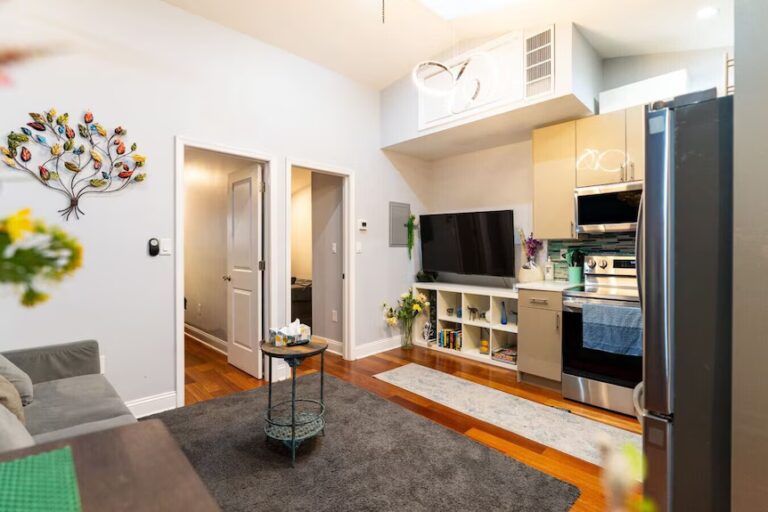
First, you create an account as a property owner and enter your home details, including location, property type, number of rooms, and amenities. Photos and descriptions play a vital role at this stage. Clear, professional images and compelling copy that highlight your property’s unique selling points will make your listing more attractive.
Second, you configure pricing and availability. Vrbo offers smart tools for dynamic pricing, which help hosts adjust rates based on seasonality, demand, and competitor trends. Once the details are finalized, your property goes live, becoming visible to millions of potential travelers searching for their next stay.
Real-World Examples of Successful Vrbo Listings
Example 1: Beachfront Villa in Florida

A family-owned beachfront villa in Destin, Florida, leveraged Vrbo’s tools to optimize its listing. By showcasing high-quality drone shots, emphasizing family-friendly amenities like private pools, and enabling flexible booking policies, the property consistently ranks higher in searches. This approach demonstrates how property presentation and traveler-focused features directly impact booking performance.
Example 2: Mountain Cabin in Colorado
A rustic mountain cabin near Aspen used Vrbo’s dynamic pricing tools and guest review system to build credibility. The owners highlighted unique features such as proximity to ski resorts and pet-friendly accommodations. Within months, the property achieved high occupancy rates even during off-peak seasons, proving how tailoring listings to niche markets can deliver results.
Example 3: Urban Loft in New York City

An urban loft in downtown Manhattan demonstrates how even competitive urban markets can succeed on Vrbo. The host emphasized the loft’s modern design, walkability to attractions, and strong Wi-Fi for business travelers. By targeting both leisure and business guests, the loft gained repeat bookings and positive reviews, enhancing its visibility in search results.
Benefits of Using Technology When Listing on Vrbo
Technology is one of the biggest enablers of success when listing a property on Vrbo. The platform’s host dashboard provides real-time insights into bookings, guest reviews, and pricing performance. This empowers property owners to make informed decisions about promotions, seasonal adjustments, and guest communication.
Another advantage is Vrbo’s integration with property management software. For hosts managing multiple listings, these tools streamline scheduling, automate guest messaging, and synchronize calendars across platforms. This reduces double-booking risks and saves time, allowing owners to focus on delivering excellent guest experiences.
Use Cases: Solving Problems with Vrbo Listings
Maximizing Occupancy Rates
One common problem for property owners is low occupancy during off-season months. Vrbo’s dynamic pricing and global reach help address this challenge by attracting international travelers who may seek vacations during different periods, ensuring more consistent bookings year-round.
Building Trust with Guests
Travelers often hesitate to book unfamiliar properties. By leveraging Vrbo’s verified reviews and secure payment system, owners can build trust and credibility. Positive guest feedback acts as social proof, encouraging future bookings and reducing cancellations.
Managing Multiple Properties Efficiently
For real estate investors managing several vacation homes, time management is a significant hurdle. Vrbo’s calendar synchronization and property management integrations make it easier to oversee multiple listings, streamline communication, and prevent scheduling conflicts.
Practical Advantages of Listing on Vrbo

Listing a property on Vrbo provides several long-term advantages. First, it diversifies income for homeowners, giving them a reliable revenue stream beyond traditional renting or selling. Second, it allows flexibility; owners can block off dates for personal use while earning income during peak travel seasons.
Furthermore, Vrbo helps expand market reach. A property listed locally might attract a few interested tenants, but on Vrbo, it gains exposure to millions of travelers worldwide. This global visibility ensures greater demand, higher occupancy, and the potential for increased earnings.
FAQs About Listing a Property on Vrbo
1. How much does it cost to list a property on Vrbo?
Vrbo offers two main models: a subscription fee for unlimited bookings or a pay-per-booking option. The best choice depends on how frequently you expect guests.
2. Can I manage both Airbnb and Vrbo listings at the same time?
Yes, many owners list properties on both platforms to maximize exposure. Using channel management tools can help synchronize calendars and prevent double bookings.
3. What makes a Vrbo listing successful?
High-quality photos, detailed descriptions, competitive pricing, and excellent guest communication are the main factors that drive more bookings and positive reviews on Vrbo.