Can You Post on Airbnb and Vrbo? Complete Guide for Vacation Rental Owners
The short answer to the question “Can you post on Airbnb and Vrbo?” is yes you can list your property on both platforms simultaneously. In fact, many vacation rental owners and property managers do this to expand their reach, increase bookings, and diversify guest sources.
However, while dual-listing on Airbnb and Vrbo can boost visibility, it also introduces challenges such as calendar synchronization, pricing strategies, and guest management. Understanding how to successfully manage properties across both platforms is essential for hosts who want to maximize revenue without increasing stress.
Why Owners Post on Both Airbnb and Vrbo
Airbnb and Vrbo are two of the most popular vacation rental platforms in the world, each catering to slightly different audiences. By listing on both, property owners tap into a broader traveler base, from budget-friendly explorers to families seeking luxury getaways.
For hosts, the ability to list on both platforms ensures that their properties remain visible in more searches. This is particularly important during off-seasons when demand is lower. Instead of relying on one platform, owners diversify their bookings and reduce vacancy risk.
At the same time, listing on both platforms gives property owners flexibility to test different pricing strategies and learn which type of guests resonate most with their home.
How Airbnb and Vrbo Differ in Their Audiences
While both platforms focus on short-term rentals, they attract slightly different types of guests. Airbnb is well-known for its wide variety of options, ranging from spare rooms and shared spaces to entire luxury villas. It appeals to younger travelers, solo adventurers, and people looking for unique, quirky stays.
Vrbo, on the other hand, primarily lists entire properties and caters more to families and groups who value privacy and comfort. It has a strong reputation among vacationers who want reliable holiday homes, whether beachfront houses, mountain cabins, or city apartments.
By posting on both, property owners access both demographics, maximizing their chances of securing bookings.
Real-World Examples of Dual-Listed Properties
Example 1: A Beachfront Villa

A villa on the coast of California is listed on both Airbnb and Vrbo. On Airbnb, it attracts young couples looking for romantic getaways. On Vrbo, the same property appeals to larger families who want extended stays.
By listing on both platforms, the owner has reduced seasonal income fluctuations and enjoys steady occupancy throughout the year. Calendar synchronization tools ensure that double-bookings never occur, even with listings across multiple sites.
Example 2: A Mountain Cabin

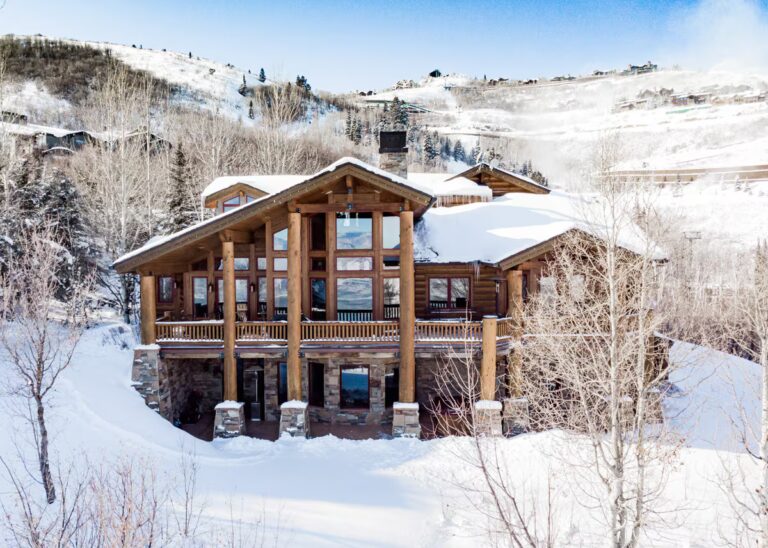
A rustic cabin in Colorado thrives on dual listing. On Airbnb, adventure-seeking solo travelers and small groups are the primary audience. On Vrbo, extended family reunions book the cabin for week-long vacations.
The owner uses slightly different descriptions and photos tailored to each platform’s audience while maintaining consistency in availability. This approach has led to improved guest experiences and higher ratings across both platforms.
Example 3: A City Apartment
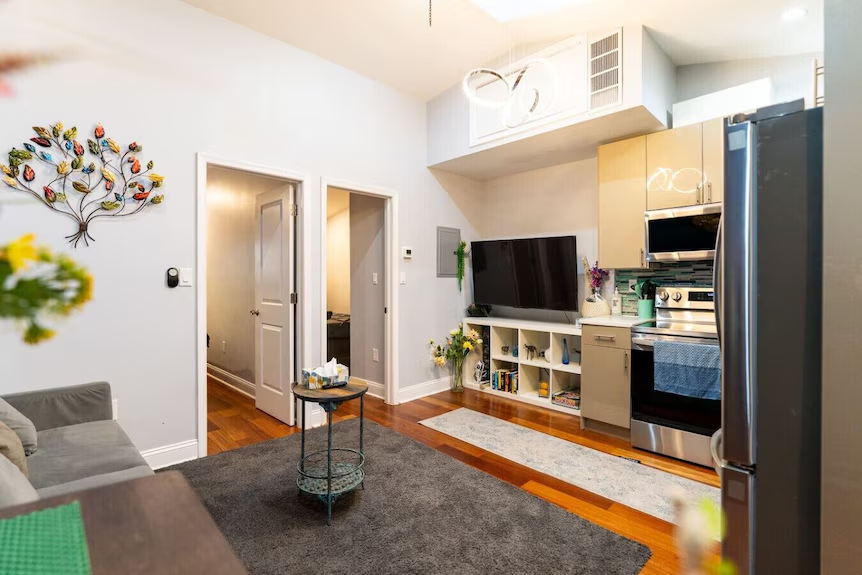
In New York City, an apartment is listed on both Airbnb and Vrbo. The Airbnb audience includes international tourists and business travelers looking for short stays. On Vrbo, the apartment attracts families attending local events and travelers seeking longer-term rentals.
The owner benefits from dynamic pricing, adjusting rates to reflect differences in demand on each platform. This flexibility boosts revenue while ensuring strong occupancy.
The Role of Technology in Managing Airbnb and Vrbo Listings
Posting on both Airbnb and Vrbo introduces complexities, but technology helps streamline the process. Property management systems (PMS) and channel managers are designed to synchronize calendars, unify guest communication, and prevent double bookings.
These tools allow owners to update pricing, availability, and property details across platforms simultaneously. Automated responses and templates also help keep guest communication consistent, ensuring no message is overlooked.
For property managers with multiple listings, technology is not just convenient—it’s essential to maintain efficiency and guest satisfaction.
Benefits of Posting on Both Airbnb and Vrbo
- Wider Audience Reach: Airbnb and Vrbo attract different traveler demographics, giving properties more visibility.
- Increased Bookings: With exposure on both platforms, owners often see higher occupancy rates.
- Diversified Guest Base: Hosts aren’t reliant on one platform’s performance, reducing risks of policy or demand changes.
- Pricing Flexibility: Owners can test different pricing strategies to optimize income.
- Brand Credibility: Having a presence on multiple trusted platforms builds guest confidence.
By leveraging both Airbnb and Vrbo, property owners gain a competitive edge in a growing vacation rental market.
Practical Use Cases for Dual Listing
Seasonal Rentals
Owners of ski resorts or beachfront homes can ensure year-round bookings by tapping into Airbnb’s adventurous traveler base and Vrbo’s family vacation audience.
Investment Properties
Real estate investors who rely on steady income streams benefit from having multiple guest pipelines. This reduces reliance on a single platform.
First-Time Hosts
New hosts can experiment with Airbnb and Vrbo simultaneously to see which aligns better with their property type and goals.
Remote Management
Technology-driven hosts who live far from their properties can still manage dual listings with PMS tools, ensuring smooth operations without being on-site.
Challenges of Posting on Airbnb and Vrbo
While the benefits are clear, dual listing also comes with challenges that need to be managed carefully.
- Double Bookings: Without synchronization, overlapping reservations can occur.
- Different Fee Structures: Airbnb and Vrbo have distinct commission models that affect net income.
- Guest Expectations: Each platform has its own culture and guest base, requiring tailored communication.
- Time Management: Managing two platforms can be time-consuming without automation tools.
Understanding these challenges allows property owners to prepare strategies and avoid common pitfalls.
Problems Solved by Dual Listing
- Limited Visibility on a Single Platform: Listing on both ensures more travelers see the property.
- Income Volatility: Dual listing stabilizes revenue by diversifying guest sources.
- Niche Audience Limitations: Owners can target both families and solo travelers simultaneously.
- Operational Complexity: With the right technology, dual listing simplifies rather than complicates management.
Frequently Asked Questions
1. Can I list the same property on both Airbnb and Vrbo?
Yes, you can. Many owners list on both platforms to maximize visibility and increase bookings. The key is to use calendar synchronization tools to avoid double bookings.
2. Do Airbnb and Vrbo allow cross-listing?
Yes. Neither platform prohibits cross-listing, and many property managers actively encourage multi-platform exposure to optimize occupancy.
3. How do I manage pricing across Airbnb and Vrbo?
You can manually adjust rates on each platform, but most hosts use property management software to automate pricing and ensure consistency across listings.