Buildium Bookkeeping: A Complete Guide for Property Managers and Landlords
Managing rental properties is more than just collecting rent and coordinating maintenance. Behind the scenes, property managers and landlords must handle meticulous financial records, from tracking deposits and expenses to preparing tax-ready reports. This is where Buildium bookkeeping becomes a game-changer.
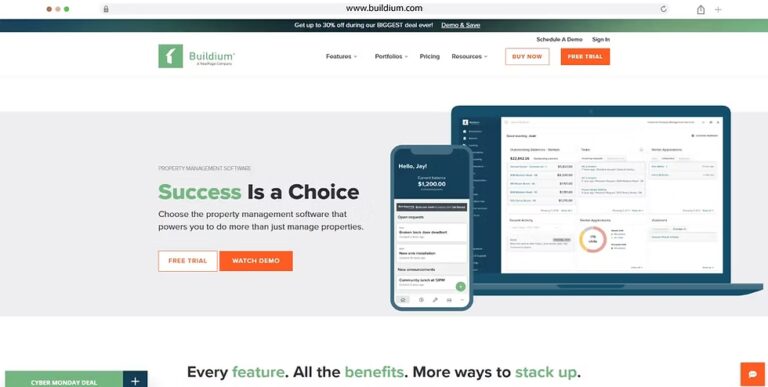
Real estate professionals use Buildium not just as an accounting tool but as an all-in-one property management platform. Its bookkeeping features deliver clarity, accuracy, and automation to property finances, helping small landlords and large firms streamline their operations. With Buildium bookkeeping, financial management becomes less about chasing receipts and more about making informed business decisions.
What is Buildium Bookkeeping?
At its core, Buildium bookkeeping provides landlords and property managers with the ability to track every financial transaction associated with their properties. From rent payments and security deposits to vendor invoices and maintenance costs, everything is recorded in one centralized system.
Unlike traditional spreadsheets or generic accounting platforms, Buildium was built with property management in mind. This means that transactions are not just categorized but also linked to specific properties, tenants, and owners. This level of granularity is essential for property managers who need accurate, property-specific reports to share with owners and investors.
Buildium bookkeeping also integrates with other property management functions such as lease tracking, tenant communications, and maintenance requests. This creates a seamless workflow where financial data automatically connects to daily operations, reducing errors and saving time.
Why Buildium Bookkeeping is Important
Bookkeeping in real estate is inherently more complex than in other industries. Managers often juggle multiple properties, each with its own revenue streams, expenses, and ownership structures. Without a reliable system, it’s easy to lose track of critical financial details, leading to errors in reporting or compliance risks.
Buildium bookkeeping addresses these challenges by:
- Automating repetitive financial tasks.
- Reducing manual data entry errors.
- Offering real-time visibility into property finances.
- Ensuring compliance with legal and tax regulations.
By simplifying complex processes, Buildium gives property managers confidence that their financial data is accurate and up-to-date.
Real-World Examples of Buildium Bookkeeping
Individual Landlord with Multiple Rentals
Consider an independent landlord managing eight rental units across different neighborhoods. Traditionally, they might rely on paper records or spreadsheets, which are prone to mistakes. Rent payments could be misapplied, or expenses may not be properly categorized.
With Buildium bookkeeping, the landlord automates rent tracking, receives payments directly through tenant portals, and instantly categorizes transactions by property. Monthly reports are generated automatically, making it easier to see which properties are generating the most income and which ones need more attention.
Property Management Firm Handling Owner Accounts
For firms managing hundreds of units on behalf of multiple owners, bookkeeping can be overwhelming. Each owner expects timely financial statements, and managing this manually would require a large accounting team.
Buildium bookkeeping simplifies this by offering owner-specific statements. Each property owner can log in to their portal to view detailed reports on income, expenses, and net profit. This reduces the firm’s workload and builds client trust, as financial transparency differentiates property managers in a competitive market.
Real Estate Investor with a Diverse Portfolio

An investor managing a mixed portfolio of residential and commercial properties needs insights tailored to each asset type. Buildium bookkeeping allows them to categorize and analyze cash flow separately for each property.
For example, they can track monthly rent income from apartments while simultaneously monitoring lease payments from commercial tenants. This holistic view provides the investor with actionable insights into which assets are most profitable and where adjustments need to be made.
Benefits of Using Buildium Bookkeeping
The advantages of Buildium bookkeeping go beyond simple financial tracking.
- Centralization: All financial data is stored in one platform, eliminating the need for separate spreadsheets and software.
- Automation: Rent reminders, recurring invoices, and payment tracking reduce manual work and human error.
- As a cloud-based platform, Buildium gives landlords and property managers access to data from anywhere, whether they are in the office or on the go.
- Transparency: Owner portals and detailed reports improve communication with property owners and investors.
- Compliance: Buildium’s bookkeeping system ensures that records are accurate and tax-ready, simplifying collaboration with accountants.
These benefits make Buildium bookkeeping not just a tool but a long-term solution for sustainable property management.
Practical Use Cases for Buildium Bookkeeping
Streamlining Rent Collection
Tenants can pay rent online, and Buildium automatically records these transactions. This reduces late payments and ensures that financial records remain accurate and up-to-date.
Tracking Maintenance Expenses
Every work order and vendor payment is recorded in the system. Property managers can analyze long-term maintenance costs and better plan for future expenses.
Simplifying Tax Preparation
Buildium bookkeeping generates detailed, categorized financial statements. When tax season arrives, accountants have all the data they need, reducing stress and saving time.
Strengthening Client Relations
Property management firms using Buildium can provide owner-specific financial statements with ease. This level of transparency strengthens trust and builds long-term client relationships.
How Technology Enhances Bookkeeping in Property Management
Technology has revolutionized how bookkeeping is managed in the real estate industry. Buildium leverages automation, cloud computing, and data integration to deliver financial clarity.
Property managers rely on one platform where every transaction, from rent payments to vendor invoices, flows seamlessly into the accounting system, saving time and reducing the risk of costly mistakes.
By combining bookkeeping with other property management features, Buildium creates a cohesive ecosystem. Managers no longer have to switch between platforms for tenant communications, maintenance tracking, and financial reporting. Everything is in one place, creating efficiency and improving accuracy.
Common Problems Solved by Buildium Bookkeeping
- Late or Missing Rent Payments: Online payment portals with automatic tracking reduce late fees and missed payments.
- Complex Owner Reporting: Owner portals simplify financial transparency, providing customized statements without manual effort.
- Tax Compliance Issues: Automated record-keeping ensures that every income and expense is documented for tax purposes.
- Time-Consuming Manual Work: Automation reduces hours spent on repetitive tasks, allowing managers to focus on growth.
Frequently Asked Questions
1. Is Buildium bookkeeping suitable for small landlords?
Individual landlords with a few units and large property management firms handling hundreds of rentals can both scale their operations effectively with Buildium bookkeeping.
2. Does Buildium bookkeeping replace the need for an accountant?
Property managers continue to work with accountants for tax strategy and compliance, even as Buildium streamlines bookkeeping and financial reporting.
3. How does Buildium bookkeeping improve owner relations?
By offering transparent financial reports and owner portals, Buildium makes it easy for property managers to share accurate data with owners, building trust and professionalism.