Buildium QuickBooks Integration: A Complete Guide for Property Managers
Property management is a financial balancing act involving rent collection, vendor payments, owner distributions, and tax compliance. Managing all these responsibilities effectively requires more than just spreadsheets; it demands advanced tools that can integrate property management workflows with accounting precision. This is where Buildium QuickBooks integration becomes essential.
By connecting Buildium, a leading property management software, with QuickBooks, a powerful accounting platform, managers can streamline operations, reduce manual errors, and create a unified financial ecosystem. This integration helps property managers handle day-to-day tasks while ensuring long-term financial accuracy and compliance.
Understanding Buildium and QuickBooks
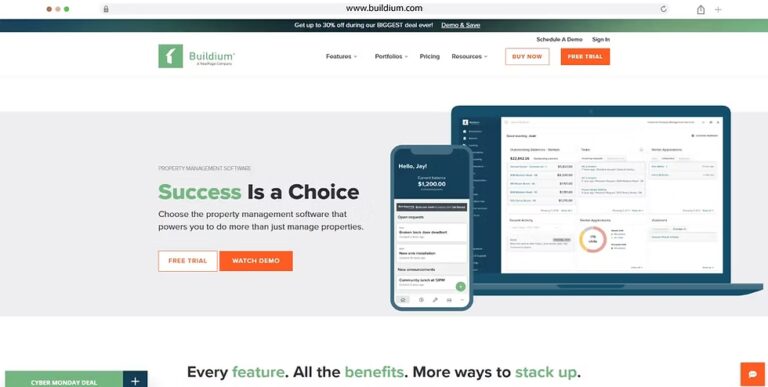
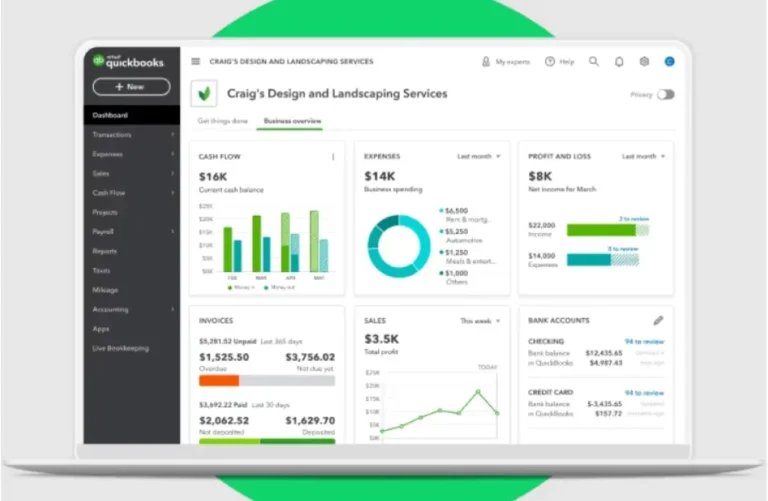
Buildium is designed specifically for property managers. It covers key tasks like rent collection, maintenance tracking, tenant communications, and financial reporting. QuickBooks, on the other hand, is one of the most widely used accounting systems, trusted for its robust bookkeeping, tax preparation, and payroll features.
When these two platforms work together, property managers gain a comprehensive toolset that combines operational efficiency with accounting reliability. Buildium manages the property-specific details, while QuickBooks handles the broader financial structure, ensuring that every transaction is tracked and reconciled.
Why the Integration Matters
Property managers often juggle multiple accounts, tenant deposits, and owner payments simultaneously. Without integration, they may need to enter the same data in both Buildium and QuickBooks, creating risks of duplication and error.
By integrating the two systems, managers can sync rent payments, expenses, and owner disbursements directly into QuickBooks. This eliminates double entry and ensures accurate reporting. It also means financial statements are always up to date, which is critical for compliance, tax filing, and building trust with property owners.
Real-World Examples of Buildium and QuickBooks in Action
Small Portfolio Management with Buildium and QuickBooks

A landlord managing 20 rental units uses Buildium to handle rent collection and tenant communication. By connecting QuickBooks, all collected rents automatically sync into accounting ledgers. This integration saves hours of manual bookkeeping and ensures accurate financial records. It also allows the landlord to generate profit and loss statements with ease.
For small portfolios, this integration means less time spent reconciling accounts and more time focusing on tenant satisfaction and property maintenance.
Large Property Management Companies
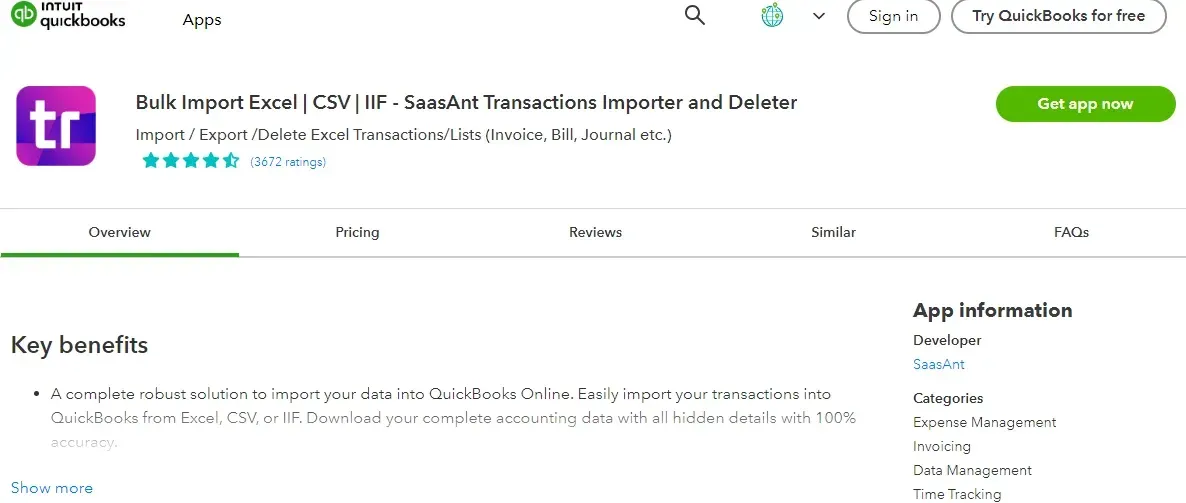
For a property management firm handling hundreds of units, managing transactions across multiple owners can be overwhelming. Buildium tracks rent payments, late fees, and vendor expenses, while QuickBooks ensures that income and expenses are categorized for each property.
The integration creates a streamlined workflow, allowing managers to deliver accurate financial reports to each property owner. This level of transparency strengthens client relationships and supports business growth.
Compliance-Focused Management

In states requiring strict trust accounting, property managers must ensure tenant deposits are never mixed with operating funds. With Buildium handling property-specific accounts and QuickBooks maintaining overall bookkeeping, managers can demonstrate compliance during audits.
This is especially relevant for companies managing security deposits across multiple properties, where precision and accountability are mandatory.
Multi-Owner Partnerships
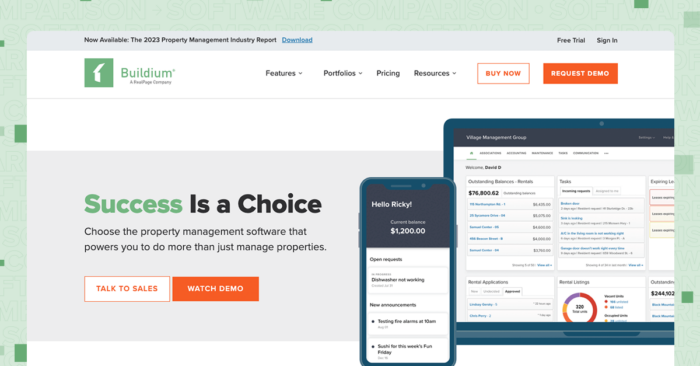
Consider a scenario where several investors own different shares of a rental property. Buildium tracks rent collection and expenses, while QuickBooks ensures the correct financial allocation for each partner. Managers can generate customized reports that reflect each investor’s stake, reducing disputes and increasing transparency.
This combination is particularly useful for partnerships and syndicates, where clear financial records are necessary to maintain trust among multiple stakeholders.
Benefits of Using Buildium QuickBooks Integration
Efficiency in Bookkeeping
The integration eliminates double entry of financial data. Rent payments, fees, and vendor expenses logged in Buildium automatically appear in QuickBooks. This saves time and reduces human error.
Accuracy in Reporting
Financial reports are always accurate and up to date. Managers can produce income statements, balance sheets, and tax-ready documents without manual adjustments.
Improved Compliance
By maintaining clear records, property managers can meet trust accounting standards and legal requirements. This reduces risk during audits and inspections.
Scalability
As portfolios grow, the integration supports expansion without overwhelming accounting processes. Whether managing 10 units or 1,000, Buildium and QuickBooks provide a structure that scales with the business.
Practical Use Cases
Streamlining Rent Collection
When tenants pay rent through Buildium, the payment automatically syncs with QuickBooks. This ensures that records are updated instantly, avoiding the lag and errors of manual entry.
Managing Vendor Payments
Maintenance vendors often send invoices for work completed. By logging these in Buildium, the expense data transfers directly into QuickBooks. Managers can track costs while ensuring they are recorded correctly for tax purposes.
Generating Owner Reports
Owners expect detailed financial statements. Buildium organizes property-specific data, and QuickBooks compiles it into professional reports. Managers can distribute these quickly, enhancing trust with property owners.
Simplifying Tax Preparation
Tax season is stressful for property managers without organized records. With Buildium and QuickBooks integration, all income and expenses are properly categorized, making tax filing faster and more accurate.
Why It’s Useful in Real Life
In real-world scenarios, property managers face constant pressure from tenants, owners, and regulators. Errors in accounting can damage reputations, lead to disputes, and even trigger legal issues. The Buildium QuickBooks integration solves these challenges by creating a transparent, efficient, and compliant workflow.
For managers handling multiple properties, this means less time spent on bookkeeping and more time focusing on growth. For owners, it builds confidence that their investments are being managed with accuracy and accountability.
Frequently Asked Questions
1. Can Buildium replace QuickBooks completely?
Not entirely. Buildium manages property-specific tasks like rent collection and tenant communications, but QuickBooks provides broader accounting tools such as payroll, tax preparation, and detailed financial reporting. Together, they complement each other.
2. Is the integration useful for small landlords?
Yes. Even for landlords with a handful of properties, integration eliminates manual bookkeeping, reduces errors, and saves valuable time. It ensures financial records are accurate and tax-ready.
3. Does integration help with trust accounting compliance?
Absolutely. Buildium handles tenant deposits and property-level transactions, while QuickBooks maintains overall bookkeeping. Together, they provide a system that ensures compliance with state regulations on trust accounting.