Property Management Bank Accounts: Complete Guide for Landlords and Managers
Property management bank accounts play a crucial role in ensuring financial transparency and operational efficiency for landlords, property managers, and real estate investors. Unlike personal or standard business accounts, these specialized accounts are structured to handle tenant rent payments, security deposits, maintenance funds, and owner distributions in a compliant and organized manner.
In the real estate industry, especially when managing multiple rental properties or larger portfolios, separating personal and property-related funds is not just a best practice; it’s often a legal requirement. By maintaining dedicated property management bank accounts, managers safeguard tenant funds, avoid commingling issues, and provide owners with accurate, auditable records.
Why Property Management Bank Accounts Are Essential
Property management is a business of trust. Tenants trust that their rent payments and deposits are handled correctly, while property owners trust managers to oversee income and expenses responsibly. A property management bank account acts as a transparent hub for all financial transactions.
These accounts typically support essential activities such as rent collection, vendor payments, utility expenses, property taxes, and owner payouts. When funds are clearly tracked, managers can provide accurate reports and minimize disputes. More importantly, separate accounts help meet compliance obligations in states where trust accounting is mandated.
Core Functions of Property Management Bank Accounts
One of the primary roles of these accounts is to maintain financial segregation. This ensures that tenant deposits, property revenues, and management fees are never mixed with personal or unrelated business funds. For instance, tenant security deposits often require a separate trust account, ensuring they are held securely until lease termination.
Another key function is streamlined reporting. With dedicated accounts, property managers can easily generate financial statements for each property. This not only strengthens owner relationships but also simplifies tax filings and regulatory audits. By using accounts specific to property management, managers ensure that every dollar has a clear trail.
Real-World Examples of Property Management Banking Solutions
Buildium with Integrated Bank Accounts
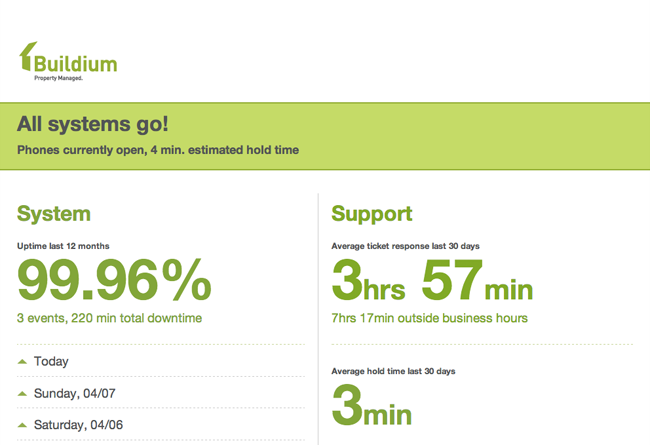
Buildium, a property management software, allows managers to connect directly with property-specific bank accounts. With this integration, managers can collect rent electronically, pay vendors, and issue owner distributions directly from the system. This seamless approach reduces manual errors and ensures that all financial activity is tied to a verified account.
Buildium’s strength lies in automating reconciliations and ensuring trust accounting compliance. For managers overseeing multiple owners, this is invaluable because each property’s funds remain distinct, eliminating the risk of financial overlap.
AppFolio Bank Account Integration

AppFolio goes beyond software by offering bank account integration features designed specifically for property managers. With AppFolio, managers can set up separate operating and trust accounts, automate rent collection, and provide owners with real-time access to statements.
What makes AppFolio stand out is its focus on compliance and transparency. For example, tenant deposits can be securely held in trust while operating expenses are managed through a separate account. This ensures a clean financial structure that minimizes risk and maintains owner confidence.
Rentec Direct Property Banking Features
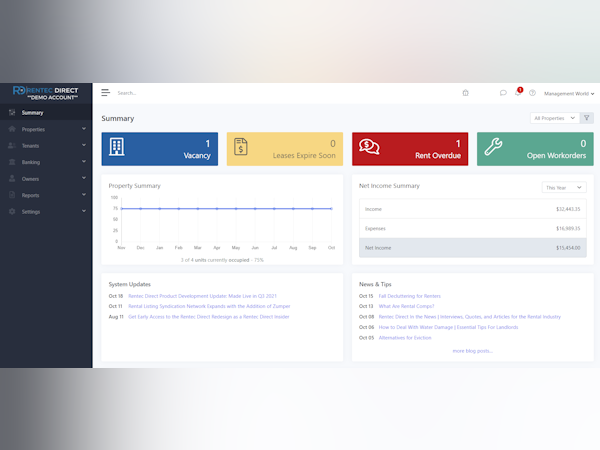
Rentec Direct provides managers with robust financial tools to manage property bank accounts. Managers can link multiple accounts, making it possible to track individual property performance while maintaining compliance with trust accounting standards.
The software simplifies the monthly reconciliation process, ensuring that every transaction matches the corresponding bank record. This reduces errors, speeds up accounting, and keeps owners informed. For landlords handling many units, the ability to maintain clear records for each property account is a game-changer.
Yardi and Dedicated Property Accounts
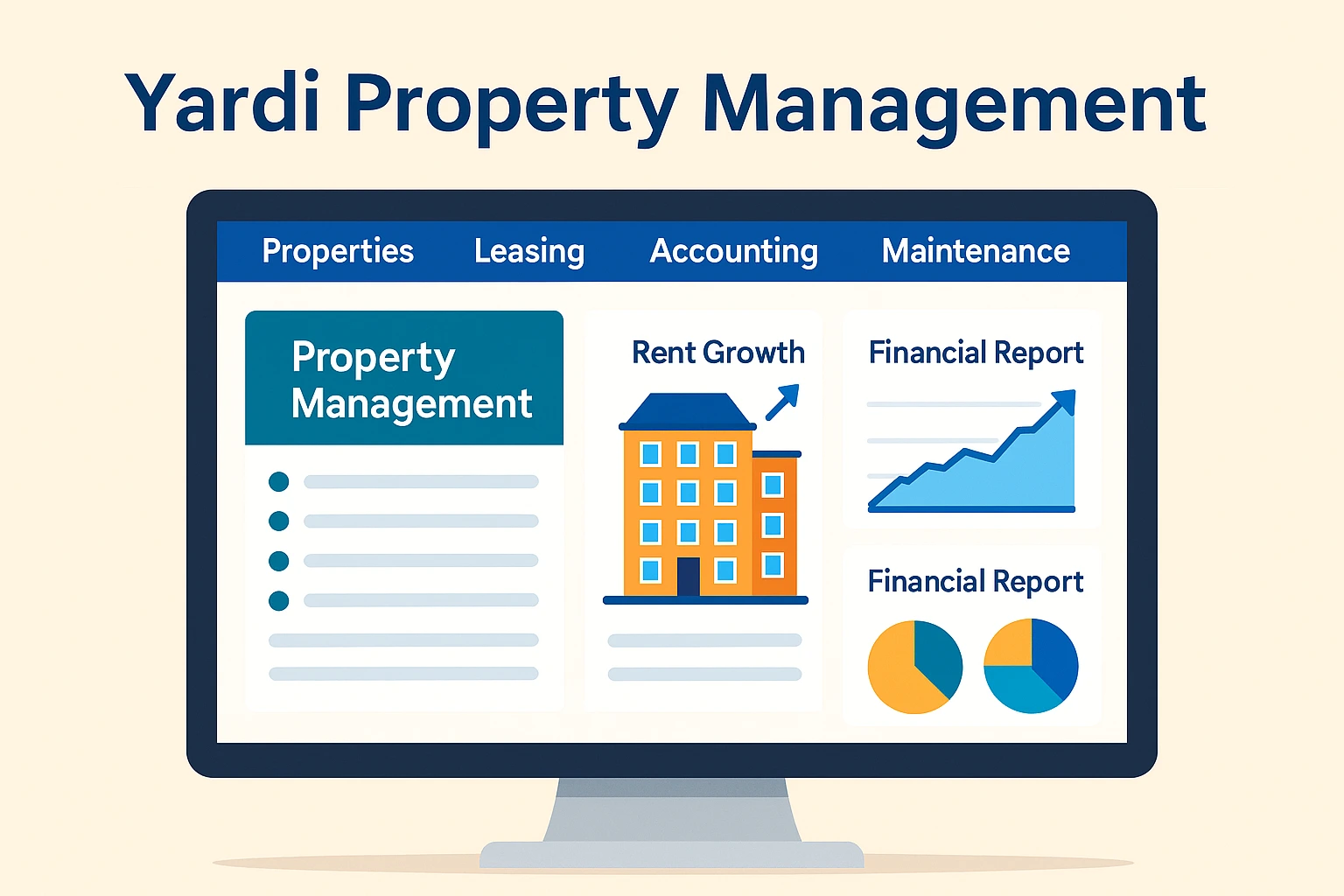
Yardi is well-known for serving larger portfolios and institutional investors. Its banking integration supports complex property management needs by allowing managers to set up operating, reserve, and trust accounts. With Yardi, managers can process payments, manage deposits, and track reserves for maintenance or capital expenditures.
Yardi’s system ensures compliance with industry regulations, particularly for companies managing multi-family units or commercial spaces. Its scalability makes it a preferred choice for larger enterprises where managing multiple bank accounts is a necessity.
Benefits of Using Property Management Bank Accounts
The benefits of property management bank accounts go beyond compliance; they offer practical advantages that streamline daily operations.
Transparency and Trust: By maintaining separate accounts, property managers assure owners and tenants that funds are handled responsibly. Transparency builds credibility, leading to stronger business relationships.
Compliance with Regulations: Many states require tenant deposits to be held in designated trust accounts. Dedicated property accounts ensure compliance and prevent costly penalties.
Simplified Reporting: Financial records tied to specific accounts allow managers to generate accurate income and expense reports. This saves time during audits and tax season.
Improved Efficiency: With automated tools integrated into bank accounts, rent collection, vendor payments, and owner disbursements can be processed faster and with fewer errors.
Practical Use Cases for Property Management Bank Accounts
Handling Security Deposits
A tenant moves into a rental unit and pays a $1,500 security deposit. Instead of mixing this with rental income, the manager deposits it into a designated trust account. When the lease ends, the manager can return the deposit (minus damages if applicable) directly from that account, keeping records transparent and compliant.
Managing Multi-Owner Properties
In a building with multiple owners, each owner expects accurate reporting of their rental income and expenses. Dedicated accounts allow managers to track income streams separately and distribute funds fairly. This prevents disputes and provides clarity.
Streamlining Large Portfolios
For a manager handling 200 rental units, combining all income into one account would create chaos. By setting up accounts for each property or owner, the manager can reconcile books easily, generate accurate statements, and maintain financial order.
Supporting Audits and Legal Requirements
During an audit, regulators or owners may request proof of how tenant deposits are handled. Dedicated bank accounts with clear transaction trails provide the required documentation without confusion or delay.
Frequently Asked Questions
1. Why can’t property managers use personal bank accounts for rental properties?
Using personal bank accounts creates a risk of commingling funds, making it difficult to separate personal and business transactions. Dedicated property management accounts provide transparency, legal compliance, and accurate reporting.
2. Are property management bank accounts required by law?
In many states, yes, particularly for holding tenant security deposits. Trust accounts are legally required to keep tenant funds separate from operational or personal funds. Even in states without strict requirements, they are considered best practice.
3. How do property management bank accounts improve efficiency?
They simplify rent collection, automate payments, and provide clear financial reporting. By integrating with property management software, these accounts reduce errors, save time, and enhance accountability for both tenants and owners.