RentRedi Accounting: Complete Guide to Simplified Rental Property Financials
Managing finances in rental property can be one of the most complex and time-consuming tasks for landlords and property managers. Tracking rent payments, managing maintenance expenses, preparing tax-ready records, and keeping financial data organized often requires more than just spreadsheets. RentRedi accounting is designed to simplify these challenges by providing landlords with technology-driven tools to handle bookkeeping, reporting, and cash flow management in one platform.
With RentRedi’s integrated accounting features, landlords can seamlessly connect rent collection, expense tracking, and tenant management. Instead of juggling multiple apps or manually entering numbers, everything is centralized, automated, and easy to use. This makes it an ideal solution not only for experienced property managers but also for independent landlords managing just a few units.
Understanding RentRedi Accounting
RentRedi accounting is a built-in financial management system within the RentRedi property management platform. It was designed to remove the stress of manual bookkeeping and give landlords a clearer picture of their financial performance.
Every rent payment made by tenants is automatically recorded in the accounting system. Likewise, when landlords log expenses like repairs, utility bills, or vendor payments, RentRedi categorizes and organizes them, ensuring accurate bookkeeping throughout the year. By combining rental operations with accounting in one place, landlords can reduce errors, save time, and make better business decisions.
Key Features of RentRedi Accounting
One of RentRedi’s most valuable features is its automated rent tracking. As tenants pay through the platform, landlords can instantly see who has paid, who is late, and how those payments affect overall cash flow. This eliminates the need for manual rent ledgers or follow-ups through spreadsheets.
RentRedi accounting also supports expense management, allowing landlords to upload receipts, assign categories, and track property-specific costs. These features are especially helpful for tax season, when accurate records are required.
The platform also includes financial reporting tools. Landlords can generate profit and loss statements, track income versus expenses, and gain insights into the overall financial health of their portfolio. This helps small landlords act more like professional managers and gives larger operators tools to manage at scale.
The Role of Technology in RentRedi Accounting
RentRedi’s accounting system is built around cloud technology. Landlords can access financial data from anywhere, whether through a computer in the office or a mobile app while on the go. This flexibility ensures they are always connected to real-time financial insights.
Automation plays a critical role in reducing repetitive bookkeeping tasks. Rent payments are automatically logged, expense records are stored digitally, and reminders for late payments can be triggered. Technology also supports integrations, such as exporting data for use in tax filing systems, making year-end processes much smoother.
Ultimately, technology ensures accuracy, reduces workload, and gives landlords tools that previously were only available to large property management companies.
Real-World Examples of RentRedi Accounting
Example 1: Independent Landlord with a Few Units
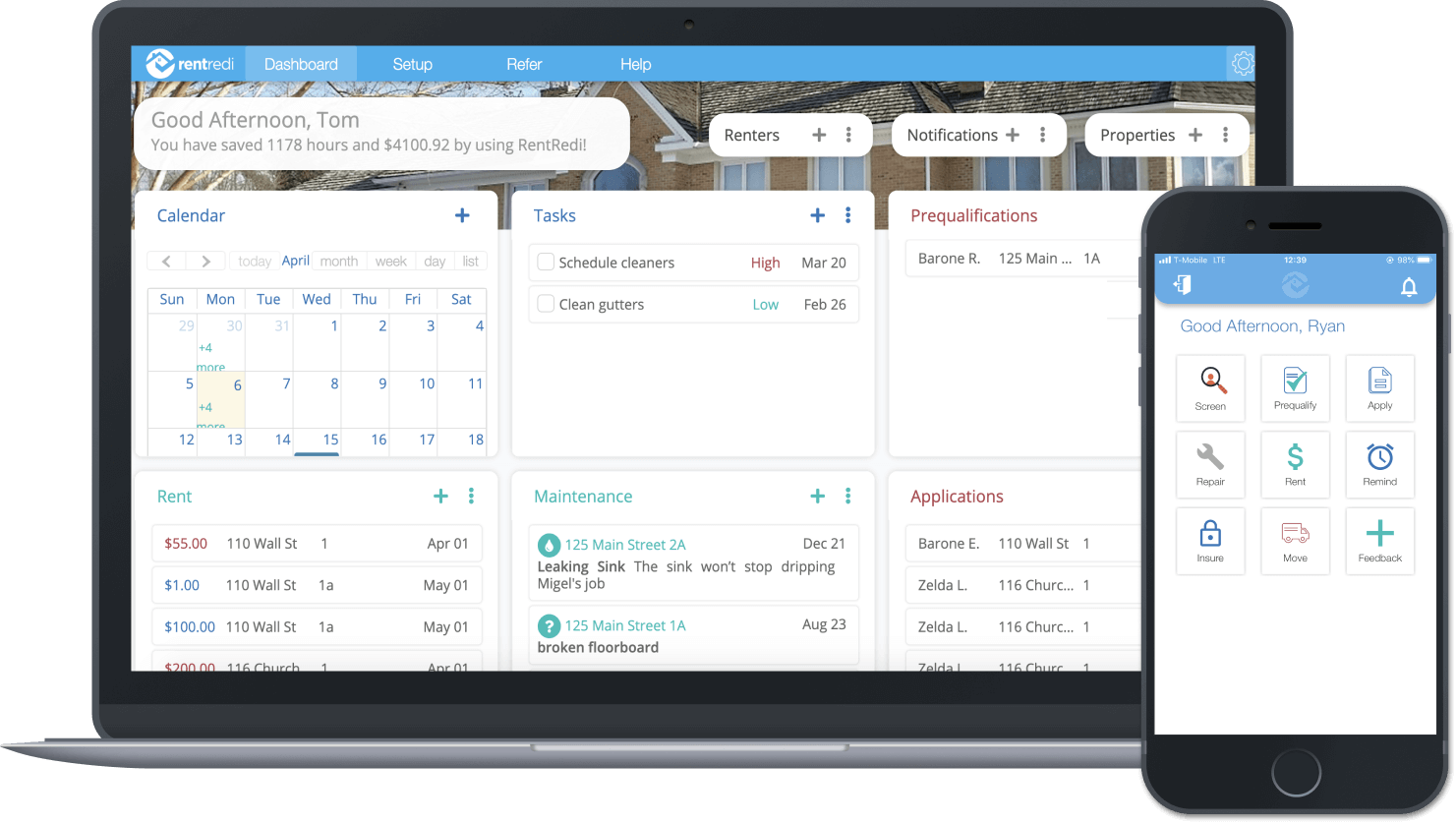
A landlord managing just four rental units often struggles with tracking late rent payments and organizing receipts for repairs. After switching to RentRedi accounting, every tenant’s payment was automatically logged, and overdue accounts were clearly displayed. The landlord could also upload expense receipts directly into the system, eliminating the box of paper receipts that once made tax season overwhelming.
Example 2: Mid-Sized Property Manager
A property manager overseeing 60 units across several buildings needed a way to consolidate rent collection and financial reporting. With RentRedi accounting, all income and expenses were tracked in one place, and monthly profit and loss reports were generated with a click. This not only streamlined bookkeeping but also improved transparency for property owners who received regular financial updates.
Example 3: Landlord Scaling from 10 to 30 Units

An investor expanding their rental portfolio quickly realized that spreadsheets could no longer keep up with growing financial complexity. RentRedi accounting allowed them to automate recurring rent entries, organize expenses by property, and prepare reports for lenders when applying for financing. This helped the investor grow with confidence and maintain accurate records without hiring an accountant.
Example 4: Co-Managed Rental Properties

Two business partners jointly managing rental properties faced challenges with sharing financial data. RentRedi solved this problem by providing a cloud-based system that both could access. They could log in from different locations, review the same real-time financial reports, and ensure all expenses were accurately recorded without confusion. This improved collaboration and reduced disputes.
Practical Use Cases for RentRedi Accounting
RentRedi solves several common problems for landlords and managers. For example, manual rent tracking often leads to late payments being overlooked or recorded incorrectly. RentRedi’s automated system ensures every payment is logged instantly and overdue balances are easy to spot.
Another use case is expense management. Many landlords struggle to separate personal and rental expenses, especially when operating at a small scale. RentRedi allows landlords to categorize expenses by property, providing a clear separation of financial data and simplifying tax reporting.
For landlords seeking financing or attracting investors, RentRedi’s reporting tools make it easy to provide professional, detailed records. Instead of scrambling through spreadsheets, they can present accurate profit and loss statements that reflect strong financial management.
Benefits of RentRedi Accounting in Real Life
The benefits of RentRedi accounting extend beyond convenience. By automating bookkeeping, landlords save hours each month, which can be reinvested into growing their portfolio or improving tenant relations. Accuracy is also improved, reducing the risk of costly mistakes during tax season.
Financial transparency is another significant benefit. Landlords can view real-time insights into the profitability of each property, helping them decide whether to hold, sell, or reinvest in new acquisitions. With better financial clarity, property owners are empowered to act strategically rather than reactively.
Additionally, RentRedi scales with landlords. Whether managing two units or two hundred, the system adapts without the need for entirely new processes or platforms. This long-term scalability makes RentRedi accounting a smart choice for both beginners and experienced property managers.
Frequently Asked Questions (FAQ)
1. What makes RentRedi accounting different from other bookkeeping tools?
RentRedi accounting is designed specifically for landlords and property managers. It integrates rent collection, expense tracking, and financial reporting within the same platform, something that generic bookkeeping tools cannot provide.
2. Can small landlords benefit from RentRedi accounting?
Yes. RentRedi accounting is particularly useful for independent landlords who want to avoid manual spreadsheets. Even with just a few units, automation and organized reporting save time and reduce stress.
3. Does RentRedi accounting support tax preparation?
Yes. While RentRedi is not a tax filing tool, it organizes income and expense data throughout the year. Landlords can export this information for use with tax filing software or share it directly with their accountants.