AppFolio and QuickBooks Integration – Complete Guide to Property Management and Accounting Solutions
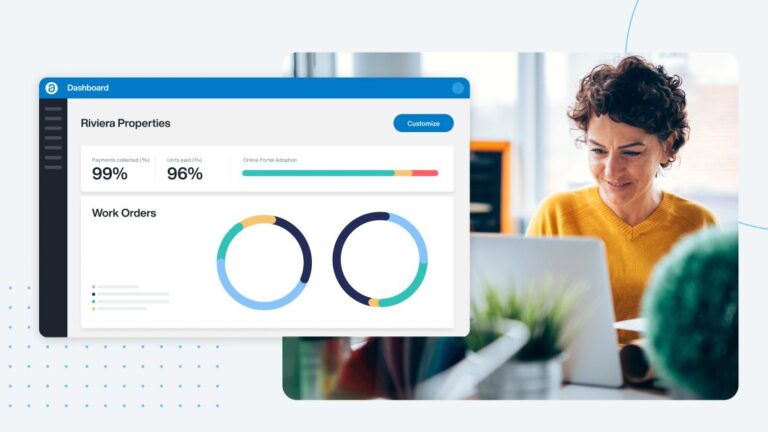
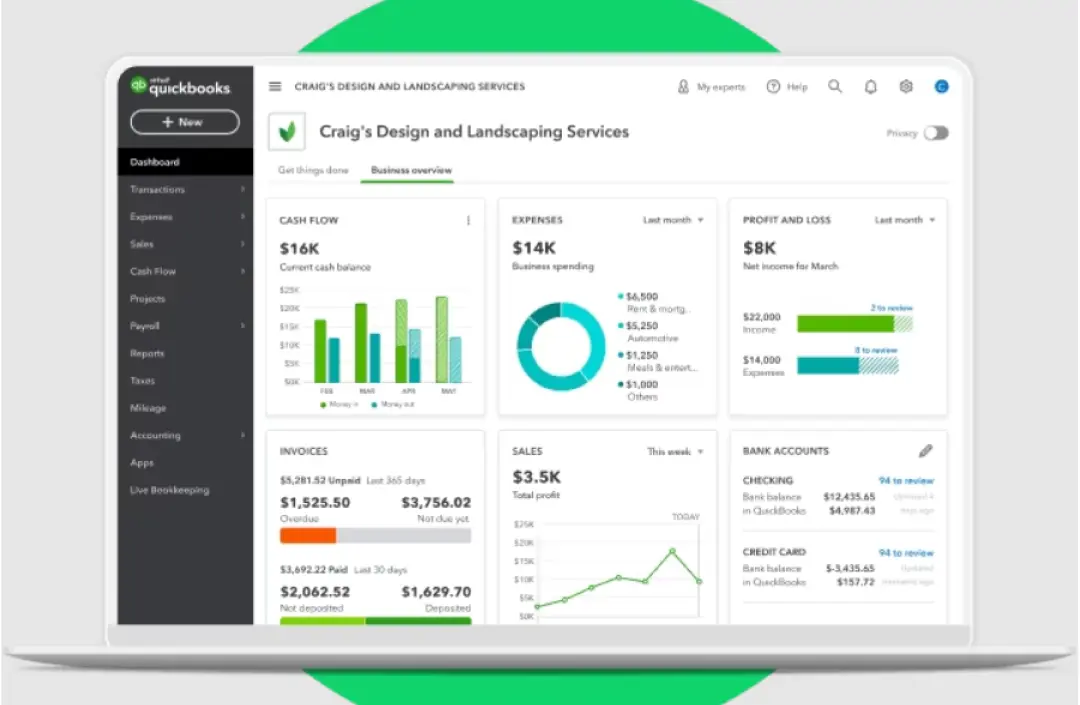
AppFolio and QuickBooks are two of the most recognized platforms in their respective fields. AppFolio is a leading property management software designed to handle leasing, rent collection, tenant communications, and maintenance requests. QuickBooks, on the other hand, is one of the most widely used accounting solutions, offering powerful tools for bookkeeping, payroll, and financial reporting.
When used together, AppFolio and QuickBooks create a powerful ecosystem that streamlines both property management and financial operations. Property managers can rely on AppFolio to handle day-to-day tenant interactions while leveraging QuickBooks for advanced accounting needs. This integration bridges the gap between real estate operations and financial management, enabling businesses to work smarter and more efficiently.
Why AppFolio and QuickBooks Matter for Property Managers

The real estate industry is complex, involving multiple stakeholders, contracts, and ongoing financial transactions. Property managers often struggle with balancing operational efficiency and financial accuracy. This is where the combination of AppFolio and QuickBooks becomes particularly valuable.
AppFolio simplifies property-related tasks such as lease tracking, online rent payments, and tenant communications. Meanwhile, QuickBooks provides a more robust set of accounting tools for generating financial statements, managing payroll, and tracking expenses. By aligning these two platforms, property managers can maintain accuracy in financial reporting while reducing administrative burdens.
How Technology Enhances AppFolio and QuickBooks Integration
Technology plays a central role in enabling the integration between AppFolio and QuickBooks. Cloud-based platforms make it possible for data to flow seamlessly from property management activities into accounting workflows. For instance, rent collected via AppFolio can automatically sync into QuickBooks as revenue, reducing the risk of manual data entry errors.
Additionally, real-time updates ensure that both property managers and accountants are working with the same accurate information. Cloud storage, data encryption, and API connectivity also add layers of security and efficiency. These technological benefits not only save time but also improve compliance with financial regulations.
Real-World Examples of AppFolio and QuickBooks in Action
Residential Property Management Firms
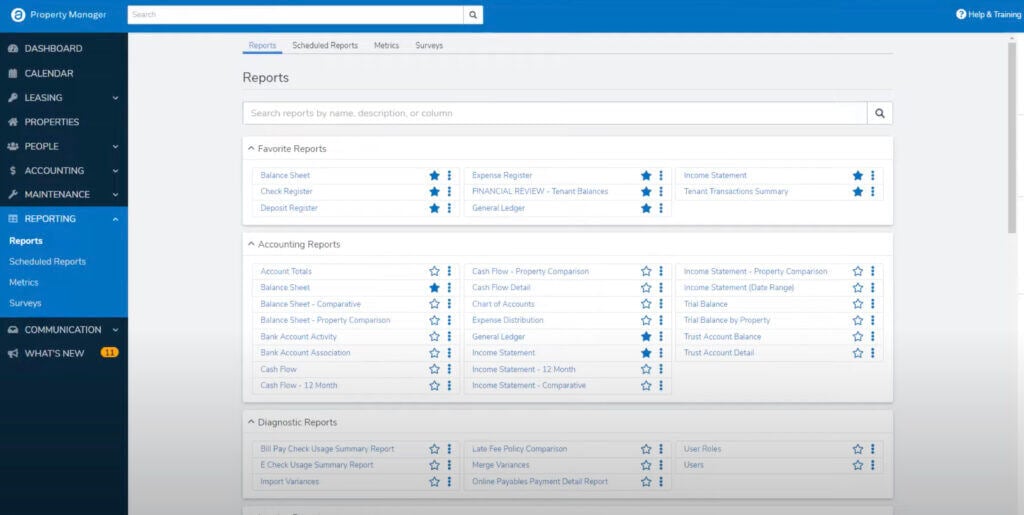
A residential property management company overseeing hundreds of units often deals with a high volume of rent payments, lease renewals, and maintenance requests. AppFolio automates tenant communications and rent collection, while QuickBooks ensures accurate bookkeeping and tax preparation. The combination provides a streamlined process where managers can focus on tenant satisfaction while accountants maintain precise financial records.
This integration reduces stress during tax season, as all rental income and expenses are properly tracked. It also creates transparency for property owners who require detailed financial reporting.
Commercial Real Estate Investors
Commercial property investors often require detailed financial insights for decision-making. With AppFolio handling operational aspects such as lease agreements and maintenance contracts, QuickBooks provides the financial backbone for tracking cash flow, profit margins, and long-term investment performance.
By integrating the two, investors can see not only the operational status of their properties but also the financial health of their portfolios. This makes it easier to plan expansions, manage risks, and improve overall returns.
Small Property Management Companies
Smaller property management businesses may lack dedicated accounting departments. By using AppFolio and QuickBooks together, these companies can reduce the need for additional staff while still maintaining professional-level accuracy in both operations and accounting.
For example, a small firm managing under 100 units can automate rent tracking, sync transactions with QuickBooks, and generate professional financial reports for clients. This not only saves time but also enhances credibility with property owners who demand clear reporting.
Real Estate Development Firms
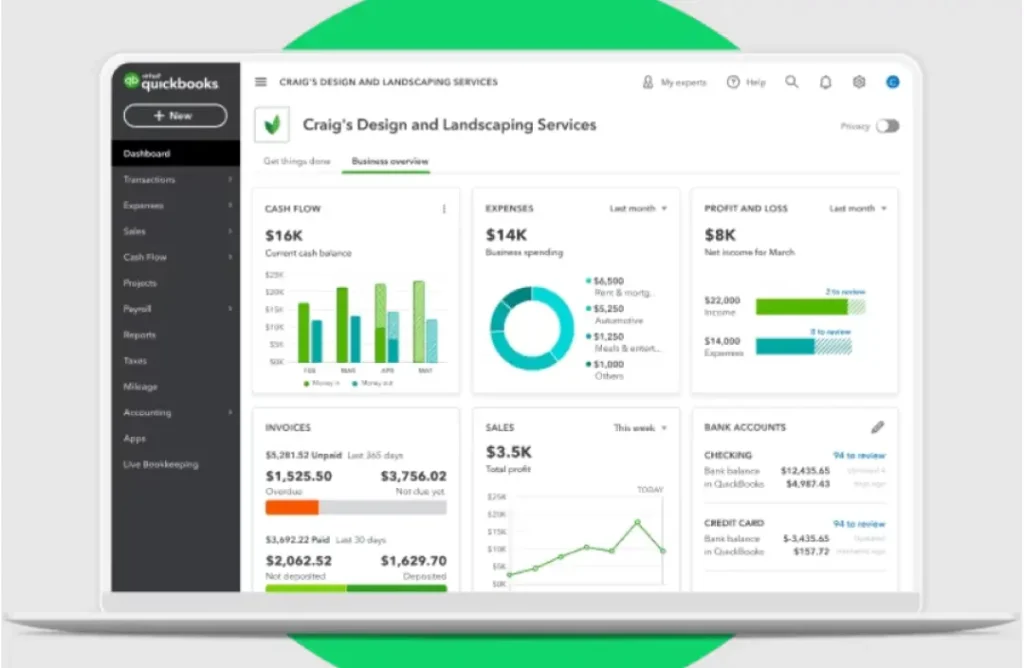
Real estate development firms juggle multiple projects simultaneously, requiring accurate cost tracking and budget management. AppFolio can handle pre-leasing and tenant onboarding, while QuickBooks tracks construction expenses, project budgets, and investor contributions.
This integration helps development firms maintain financial discipline while ensuring that operational processes are not neglected. It also improves investor confidence, as financial reports are easily accessible and accurately reflect ongoing projects.
Benefits of Using AppFolio and QuickBooks Together
The combination of AppFolio and QuickBooks offers several practical advantages. First, it enhances accuracy and efficiency. Manual data entry is minimized, reducing errors and freeing staff to focus on higher-value tasks. This is particularly useful in industries like real estate, where transaction volume is high.
Second, it provides scalability. Whether managing a few units or thousands, the integration supports growth by keeping operations and accounting aligned. Businesses can expand portfolios without experiencing bottlenecks in financial reporting.
Third, it increases transparency and compliance. With accurate financial records and real-time data sharing, property managers and accountants can meet regulatory requirements more easily. This reduces audit risks and builds trust with stakeholders.
Use Cases of AppFolio and QuickBooks
Simplifying 1031 Exchange Tracking
For property investors engaged in 1031 exchanges, accurate tracking of timelines and financials is crucial. QuickBooks ensures compliance by tracking proceeds, while AppFolio manages operational transitions. This use case highlights how integration simplifies complex transactions.
Supporting Investor Relations
Property managers often report to multiple property owners or investors. By combining AppFolio’s property-level data with QuickBooks’ financial reporting, managers can deliver comprehensive updates. This enhances trust and strengthens long-term business relationships.
Streamlining Payroll for Staff and Contractors
Property management involves multiple employees and service providers. QuickBooks manages payroll and contractor payments, while AppFolio handles service requests and work orders. Together, they create a holistic system that aligns financial accountability with operational execution.
Frequently Asked Questions (FAQ)
1. Do AppFolio and QuickBooks integrate directly?
While AppFolio and QuickBooks serve different purposes, data can be synced through third-party connectors and API tools. This allows rent payments, expenses, and financial reports to align across both platforms.
2. Is QuickBooks necessary if I already use AppFolio?
AppFolio provides basic accounting features, but QuickBooks offers more advanced tools for financial reporting, tax compliance, and payroll. Many businesses use both for maximum efficiency and accuracy.
3. Who benefits most from using AppFolio and QuickBooks together?
Property managers, real estate investors, and development firms benefit most from this combination. It is especially valuable for organizations seeking both operational efficiency and professional-grade financial reporting.